
China Trade Mission Planning Guide for Government Delegations
China trade mission planning starts four to six months before departure, because a government delegation runs on two tracks at once. On the official track, your ministers meet ministries, trade councils and city governments. On the business track, your delegates visit factories, labs and company briefing rooms. A mission that handles protocol well but sees no companies goes home with photos. A mission that sees companies but handles protocol badly goes home with nothing signed.
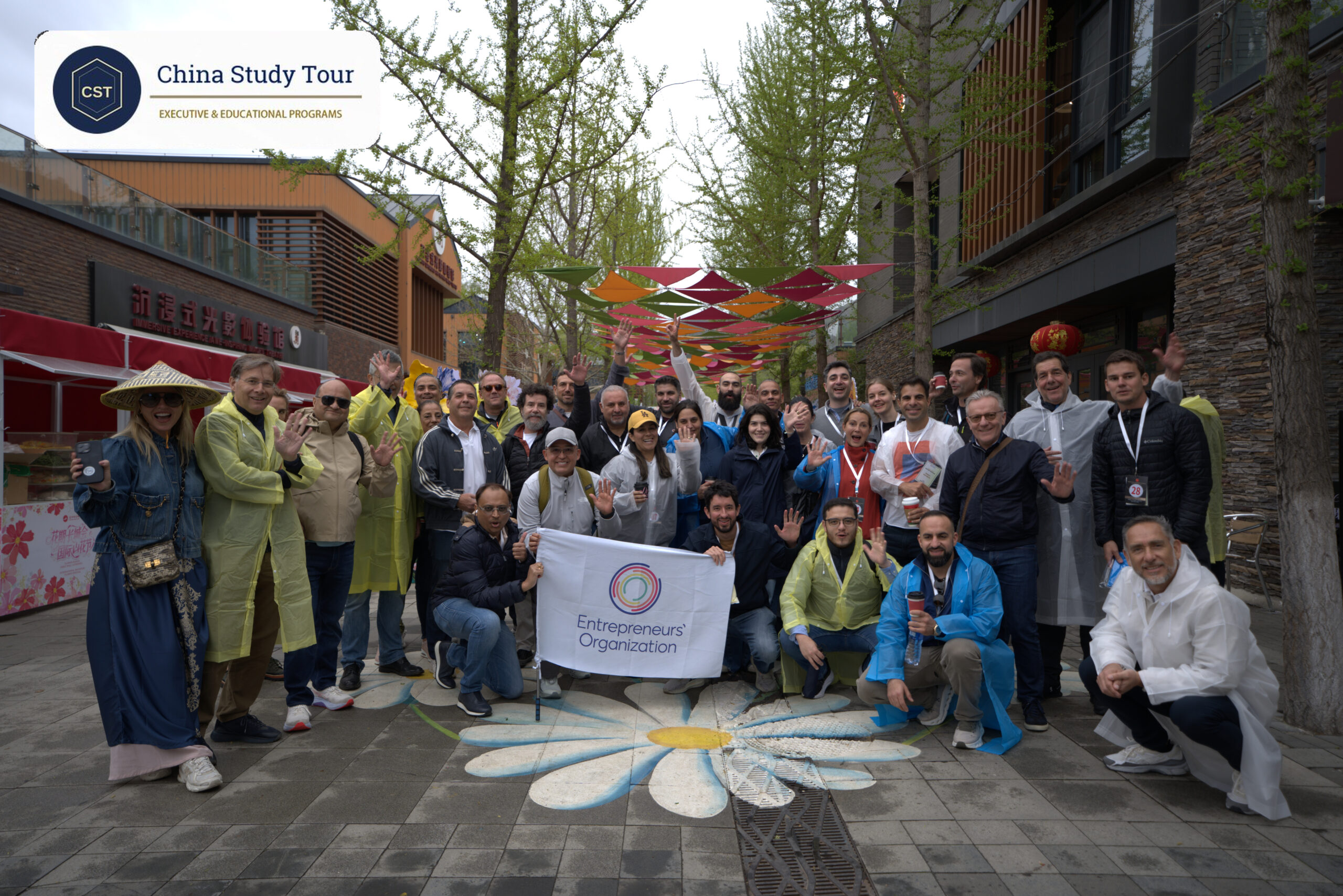
Start planning a government trade mission to China four to six months ahead. Cover two to three cities in one week, with one confirmed company visit per day. Agree the official program through your embassy, and book the business program through an operator with confirmed company access. Company visits alone need 8 to 12 weeks. Avoid Golden Week (October 1 to 7) and the Spring Festival period.
Key Takeaways
- Two tracks. Official meetings and company visits fail for different reasons, so plan and staff them separately.
- The delegation list. A list of names and titles in order of rank is the most important document you will prepare. Seating, flags, speaking order and signing all follow it.
- The right counterpart. The Ministry of Commerce handles policy dialogue. The trade council (CCPIT) and its local branches handle business matchmaking. City Commerce Bureaus handle local investment.
- Small gifts only. Under a State Council rule, a Chinese official must declare and hand in any gift worth RMB 200 (about US$28) or more.
- Lead time. Plan four to six months out, and send company visit requests no later than 12 weeks before departure.
Government vs Corporate Delegations: Key Differences
A corporate group represents itself. A trade mission represents a country, a state or a city. That single fact changes almost every decision in China trade mission planning.
Counterparts. Your trade minister meets a counterpart in a ministry or a provincial government. That meeting is arranged through official channels, not by a travel operator. In addition, the business meetings below it are matched in rank. If a vice governor hosts your minister, senior company managers usually join the visits too.
Passports and visas. A government delegation may carry ordinary, official and service passports, and each type follows different entry rules. As of October 2026, ordinary passport holders from roughly 80 countries can enter China without a visa. About 50 of these countries fall under China's one-way 30-day policy, which runs until December 31, 2026. Official and service passports often fall under separate agreements between governments. For this reason, check every passport early, because one delegate with the wrong document can delay the whole group. Our China visa-free entry guide for business travelers lists the countries.
Schedule control. This is the difference operators feel most. A company can change its itinerary a week before departure. A government mission cannot. Once the Chinese side agrees dates, venues and the order of events, changes are slow, and some are diplomatically costly. Therefore, build the business program around the fixed official meetings, never the other way around.
Results. Companies measure a trip by what they learned. Governments measure a mission by what was signed. That is why memorandums of understanding (MoUs) and joint statements appear in these programs. Each one needs a draft, a legal review and time to rehearse the signing.
Protocol Considerations for Official Delegations
Most trade missions never deal with the protocol department of China's Ministry of Foreign Affairs directly. Even so, the same working rules apply to every official reception, and they are much stricter than anything a corporate group faces:
- The delegation list, in order of rank. Give full names, exact titles and gender, spelled as in each passport. Hosts use this list to plan seating, flag order, speaking order, car positions and who signs each document.
- Dates are agreed, not announced. In Chinese practice, one side proposes dates and both sides confirm them in official letters. Golden Week (October 1 to 7) closes offices across the country. The Spring Festival slows business for two to four weeks around the Lunar New Year.
Gifts, Ceremonies and Interpreters
- Gifts stay small. A State Council regulation from 1993, still in force, covers gifts in official foreign contacts. A Chinese official who receives a gift worth RMB 200 or more must declare it and hand it in within one month. Cash and gift cards must be refused. A book or a small craft item from your region works well. An expensive watch only creates paperwork for the person you want to thank.
- Ceremonies follow a fixed order. At a signing, the guest usually sits on the host's right, flags stand in an agreed order, and both sides exchange the texts while guests stand. None of this is difficult, but it needs a rehearsal, a bilingual master of ceremonies and printed name cards.
- Special equipment needs clearance. A government aircraft or a security team's radio equipment must be cleared through diplomatic channels. Start this with your embassy well before the official request goes out.
- Interpreters match the rank. A minister needs a senior interpreter who has studied the titles and the sector words for the week. A junior interpreter at a ministry meeting can make the whole delegation look unprepared.
Ministry-Level Coordination Requirements
China's trade system has several layers. A request sent to the wrong layer usually goes nowhere, so match each request to the right body.
The Ministry of Commerce (MOFCOM) is the national counterpart for trade policy. It is the right place for policy dialogue and market access questions. However, it does not arrange company visits for visiting delegations.
The China Council for the Promotion of International Trade (CCPIT) exists for exactly this work. It receives foreign trade delegations and arranges business meetings for them. Its provincial and city branches do the same work locally, and they are usually faster and more concrete. For a business matchmaking program, the branch in each city on your route is the practical counterpart.
City Commerce Bureaus handle local investment promotion, and they can gather companies for a roundtable quickly. Provincial and city Foreign Affairs Offices manage the official reception, including meetings with local leaders and the ceremony around them. In every case, your own embassy's economic and commercial section in Beijing is the natural first call.
Two shortcuts are worth checking first. If your city or region has a sister-city agreement with a Chinese city, send the request through that channel. Also, companies from your own country that already operate in China are the easiest site visits to arrange.
Company Selection for Trade Missions
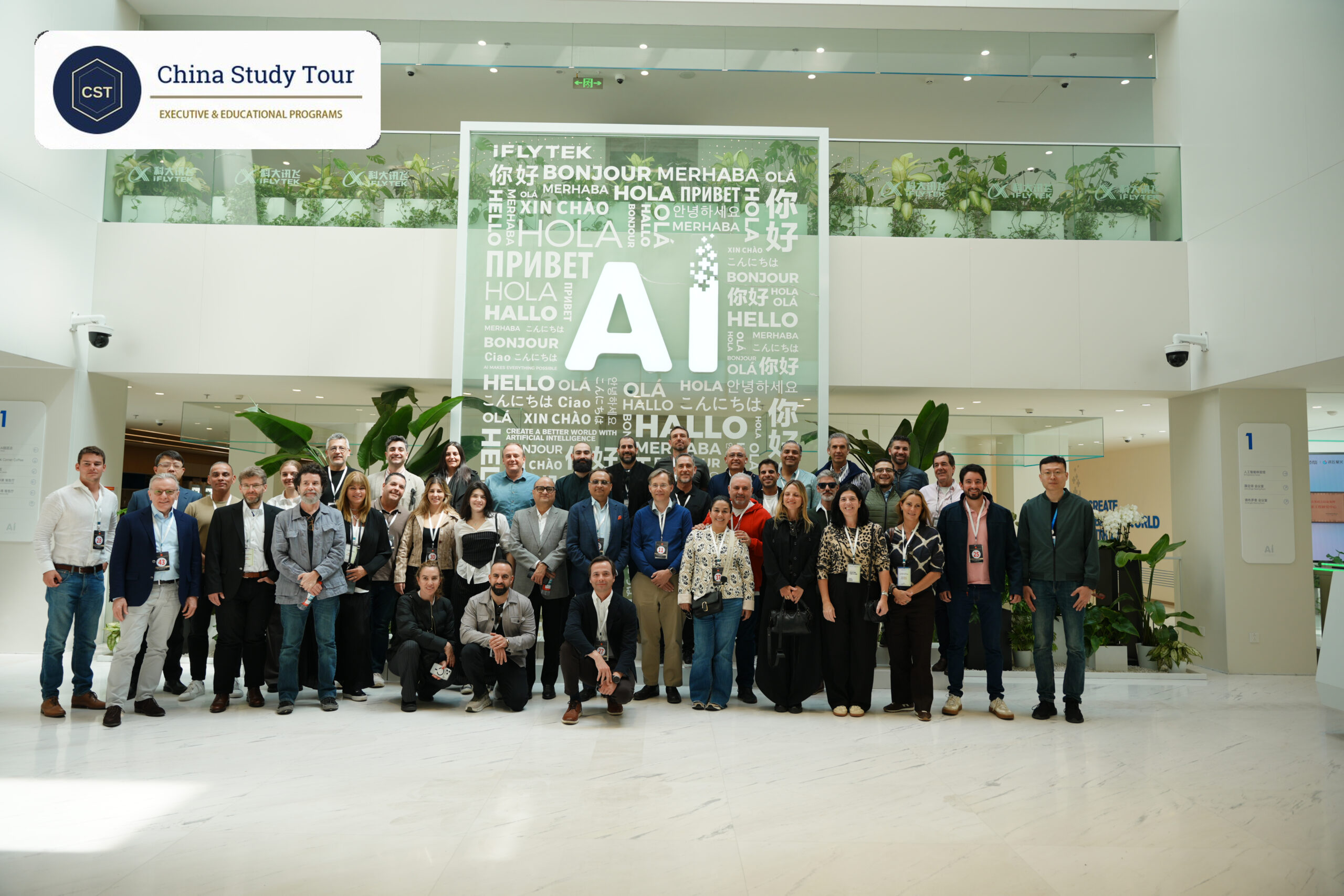
In China trade mission planning, company access works on three levels. A short list of companies accepts public bookings. Most of the names a delegation asks for, such as Huawei, BYD, DJI, Tencent and Alibaba, receive groups only through partners they already work with. A few accept visitors by invitation only. Our list of Chinese companies that accept visitors explains the levels company by company.
A government title helps at the reception, but it does not replace a company's own visitor rules. For example, Huawei sends every request through its visit process, whether the letter comes from a ministry or a business school. What a government title changes is the level of the briefing once you are inside. So apply early, and be clear about who is coming.
Four Questions for Every Company on the List
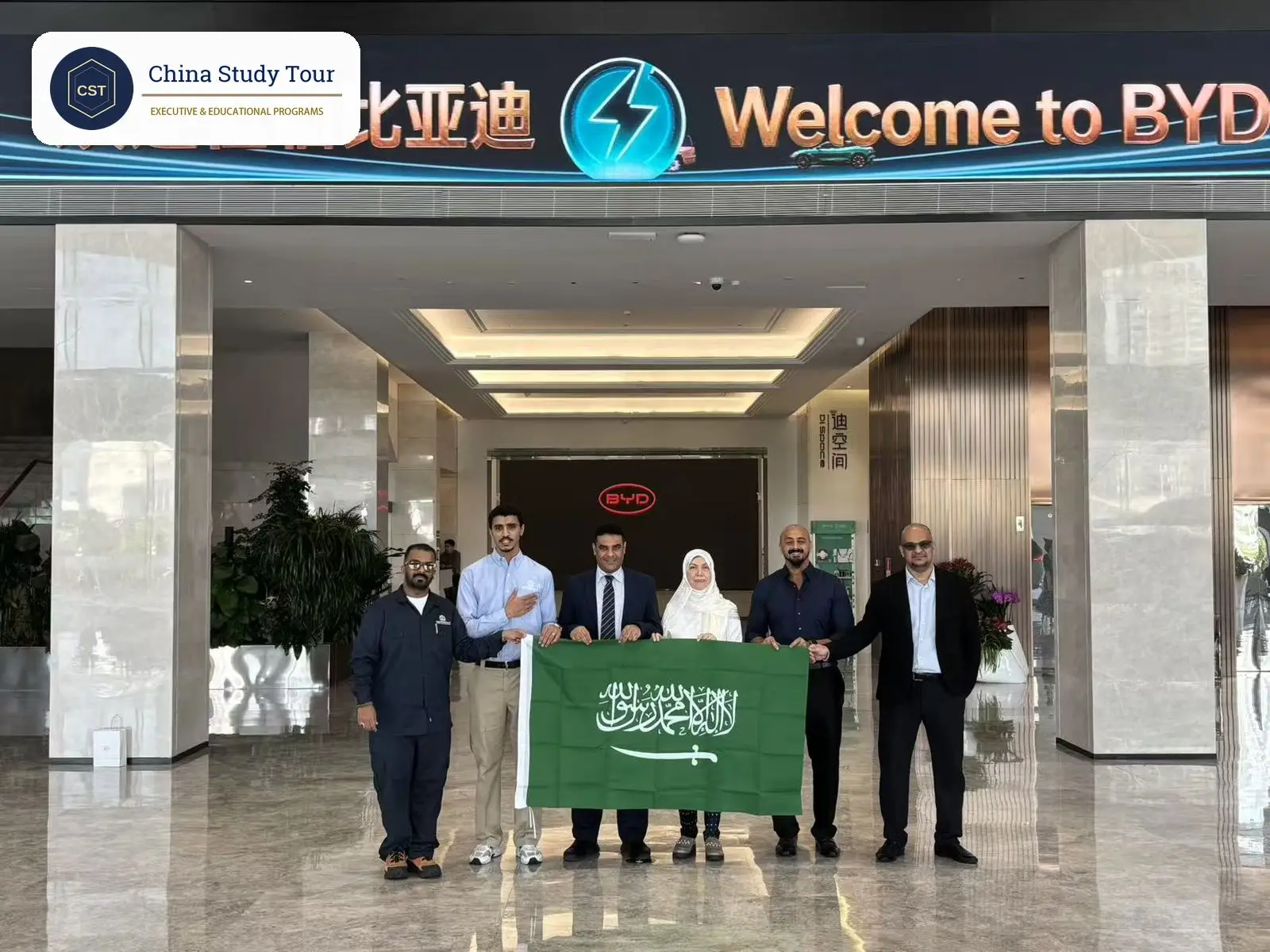
When a government client sends us a wish list, we check each company against four questions:
- Does it fit the mission's purpose? A delegation from a farming economy gains little from an AI lab unless farm technology is on the agenda. Match every visit to the trade story your mission exists to tell.
- Is it in the right city group? Shenzhen suits hardware, electric vehicles (EVs) and drones. Shanghai suits finance, consumer platforms and biotech. Beijing suits policy, AI research and state-owned companies.
- Does your country already invest there? The easiest site visit in any mission is a company from your own country that operates in China.
- Can it host you in your dates? Plan one confirmed company visit per day. A single site needs two to six weeks of notice, and a program across several cities needs eight to twelve weeks. Any visit still unconfirmed when the official program is fixed is a risk, not an agenda item.
Multi-City Logistics Guide
A sound rule for China trade mission planning is two to three cities for a seven-day mission. Each city after the third costs about half a working day in transfers and hotel changes. As a result, missions that try five cities spend their week in airports and hotel lobbies. Our comparison of Beijing, Shenzhen and Shanghai for delegations helps you choose.
How the group moves between cities is a real decision, not a booking detail. Corporate groups usually take high-speed rail. Beijing to Shanghai takes about four and a half hours, and Shenzhen to Guangzhou takes about half an hour. Official delegations, however, often prefer coaches or a motorcade even where rail is faster. A motorcade keeps the group together and lets the schedule change. The cost is speed and city traffic.
After 13 years, our working rule is simple. Take the train for long legs when time is short. Take the road for short legs. Never book a domestic flight on the day before a public holiday. China's rail tickets are issued by real name, so every passport number must reach the operator before tickets are booked. Our high-speed rail guide for groups covers the details.
Hotels, Press and Ground Details
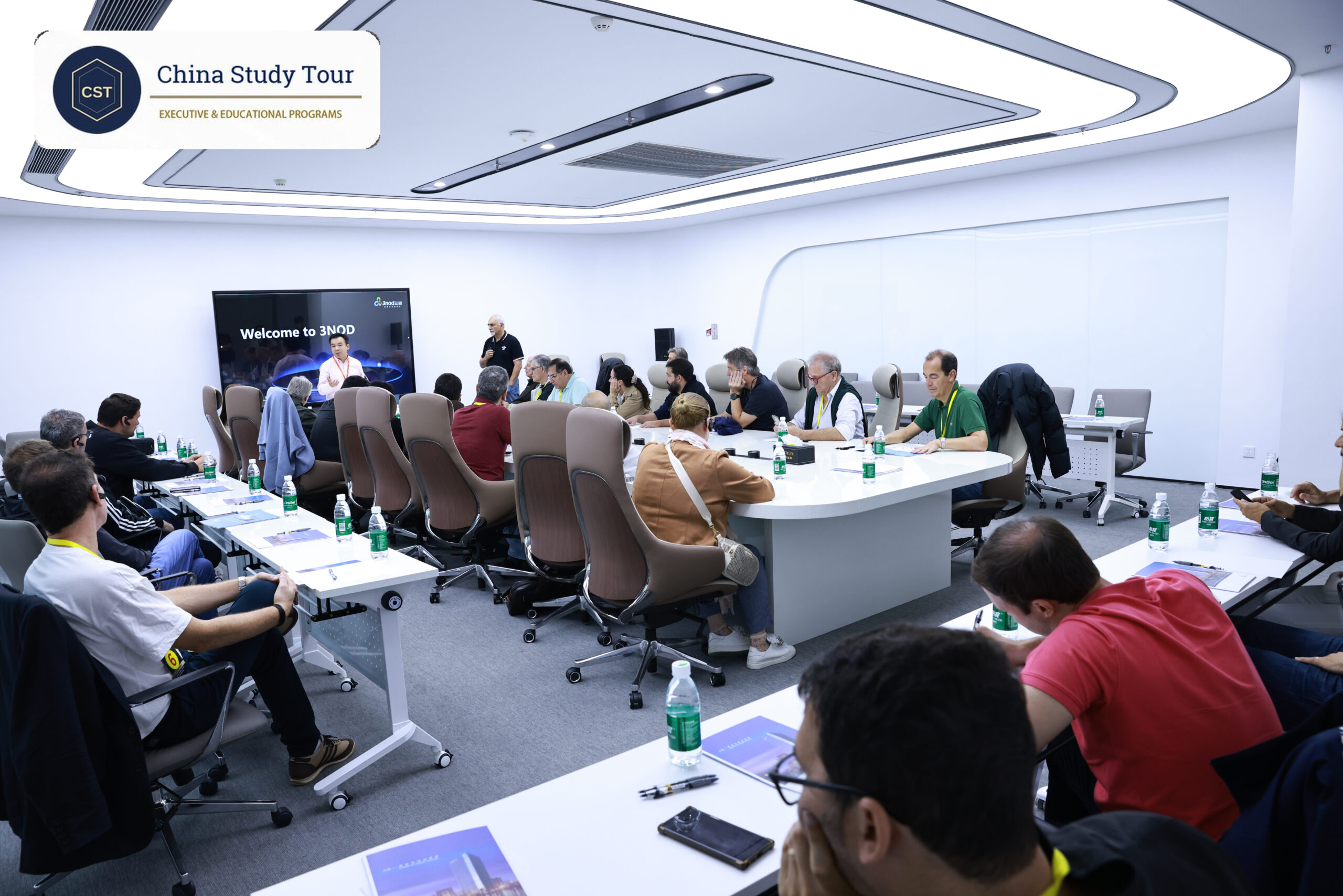
Hotels must be licensed to receive foreign guests. Choose one hotel per city, close to the government district rather than the factory district, because official meetings are harder to move than company visits. If journalists travel with the mission, plan press areas at each venue and a separate coach for the media.
China Trade Mission Planning Timeline and Lead Time
Trade missions fail on the calendar more often than for any other reason. Company visits follow our standard 8 to 12 week timeline. The official layer above them stretches the total to four to six months.
| Phase | When | What happens | Who owns it |
|---|---|---|---|
| Purpose and mapping | 24 to 26 weeks out | Set mission goals, list target sectors, map ministries and CCPIT branches, check the Chinese holiday calendar, approve the budget | Lead ministry or trade agency |
| Official request | 16 to 20 weeks out | Propose dates through the embassy, draft the delegation list in order of rank, use the sister-city channel if one exists | Foreign ministry and embassy |
| Access and invitations | 12 weeks out | Send company visit requests, request invitation letters, send MoU drafts to legal review, check every passport type | Operator and lead ministry |
| Visas and bookings | 8 weeks out | File visa applications for those who need them, book hotels and transport, collect written company confirmations | Operator |
| Program fixed | 4 weeks out | Share the final itinerary with all hosts, write the briefing pack, brief interpreters, buy gifts, plan the signing on paper | Both sides |
| Final checks | 1 to 2 weeks out | Reconfirm every venue and vehicle, share emergency contacts and the medical plan, fix arrival and media plans | Operator and protocol officer |
In China trade mission planning, the official request phase is the one most often underestimated. If your mission falls close to Golden Week or the Spring Festival, add at least two more weeks to every phase. Our visa, timing and budget guide lists the holiday dates.
How China Study Tour (CST) Handles Government Groups
Meetings between governments, signing ceremonies and official receptions belong to your protocol officers and your Chinese hosts. CST runs the business layer below them. That means company visits, expert briefings, travel between cities, hotels, interpreters and the daily logistics that bring delegates to each venue on time and prepared.
In practice, CST has teams in Beijing, Shanghai and Shenzhen who work with local venues and company hosts directly. Our guides speak English, Chinese, Spanish, Portuguese, and Japanese. All guides are bilingual, and additional language support is available upon request. We build each itinerary around your delegation list and send a written quote within 24 hours of receiving your brief. If your dates fall near the Spring Festival, we will tell you at once and suggest a better window.
We do not arrange meetings with Chinese government bodies, and we do not represent any side in official letters. Both of these go through your own officials and your embassy. For a corporate version of the same week, see our day-by-day executive tour itinerary, or read how we handle logistics for executive delegations in China.
The CST operations team wrote this guide from 13+ years of arranging company visits and delegation programs in China. The gift rule comes from the State Council regulation on gifts in official foreign contacts (1993, still in force). Visa figures follow published Chinese entry policy. All rules and figures are a snapshot as of October 2026, so confirm current visa rules with your embassy before you travel.
China Trade Mission FAQ
How far in advance should we plan a government trade mission to China?
Plan four to six months ahead. Company visits alone need 8 to 12 weeks, and official coordination adds about two months more, because requests travel through embassies and ministries. If your mission falls near Golden Week (October 1 to 7) or the Spring Festival, add at least two more weeks.
Do government delegates need a visa for China?
It depends on each delegate's passport. As of October 2026, ordinary passport holders from roughly 80 countries can enter China without a visa, for up to 30 days in most cases. Official and service passports often fall under separate agreements between governments. Check every passport early, because one wrong document can delay the whole group.
What is the difference between a trade mission and an executive study tour?
A trade mission represents a government. Officials meet officials, the results are agreements and MoUs, and protocol offices on both sides control part of the schedule. An executive study tour represents a company or a business school. It books companies directly and can change its plan a week out. Government groups can use study tour methods for their business program only.
Can a government delegation visit Huawei, BYD or other major Chinese companies?
Yes, but only through partners these companies already work with, not through a public booking channel. Huawei, BYD, DJI, Tencent and Alibaba all host international groups this way. A government title raises the level of the briefing, but it does not skip internal approvals. Allow two to six weeks for one site and eight to twelve weeks for several cities.
How many cities should a China trade mission cover in one week?
Two to three. Each extra city costs about half a working day in transfers, hotel changes and security planning. A seven-day mission that tries four or five cities ends up with ministers seeing more airports than companies. A common route is Shanghai for finance and consumer markets, Shenzhen for manufacturing and hardware, and Beijing for policy.
What gifts are appropriate for Chinese officials during a trade mission?
Choose something modest and symbolic from your own region, such as a book, a craft item or a small souvenir. Under a State Council regulation, a Chinese official must declare and hand in any gift worth RMB 200 (about US$28) or more, and cash must be refused. An expensive gift creates a compliance problem, not goodwill.
Start your China trade mission planning by sending us your mission goals, delegation size, target month and the sectors your mission promotes. We will confirm which companies can host your group in that window, propose a city route around them and send a detailed quote. See how our China study tour programs work.
Get a Custom Proposal in 24 Hours →
Email: info@chinastudytour.ai·WhatsApp / WeChat: +86 131 6180 6706