China Executive Delegation Itinerary: Beijing vs Shenzhen vs Shanghai
Every China executive delegation itinerary starts with one decision: which city, or which mix of cities, fits your leadership team. Beijing, Shanghai, and Shenzhen are not interchangeable stops. Each one answers a different question about China. The right choice depends on your delegation's goal, not on which city is "best."
- Beijing explains China: institutions, policy context, and 3,000 years of culture.
- Shenzhen shows how China turns technology into products, with labs, factories, and suppliers close together.
- Shanghai shows how China connects to global capital, trade, and consumers.
- Every intercity move costs about half a day, so three cities need at least seven days.
- Top company visits are gated. Access runs through vetted partners, not cold emails.
The Three Cities at a Glance
The table below is a China delegation city comparison built for planning, not a city ranking. It shows how well each city fits a given delegation theme.
| Dimension | Beijing | Shenzhen | Shanghai |
|---|---|---|---|
| City role | Capital, cultural and diplomatic center | Tech innovation and advanced manufacturing hub | Finance, trade, and shipping center |
| Core themes | History, culture, institutions | AI, hardware, EVs, supply chain | Finance, trade, global business |
| Best for | First-time CEOs, boards, trade missions | Tech, industrial, and investor groups | Finance, consumer, and multinational teams |
| Industry-chain depth | Moderate | Very strong | Strong |
| AI and robotics | Strong | Very strong | Strong |
| Smart vehicles | Moderate | Very strong | Very strong |
| Finance | Strong | Strong | Very strong |
| Culture and history | Very strong | Moderate | Strong |
| Visit logic | China, capital, culture, policy | Tech, product, factory, application | Capital, business, consumer, global |
In one line: Beijing shows you China, Shenzhen shows you the future, and Shanghai shows you global business.
Beijing: Policy Access and Cultural Depth
Beijing is China's capital and its center for culture and international exchange. For overseas executives, its value is context. Here, history, urban planning, national institutions, and a strong tech scene fit into a single story.
In 2024 the Beijing Central Axis was added to the UNESCO World Heritage List. The axis links the Forbidden City, the Temple of Heaven, and the old city's ceremonial spaces. Walking it is one of the best briefings on how China thinks about order and planning. Add a private morning on the Great Wall and an evening in the hutongs. A first-time leadership team leaves with a mental model no slide deck can give.
Beijing is also a serious business stop. Zhongguancun is one of China's densest clusters of AI, internet, and research institutions. The city also hosts the headquarters of many large state-owned and private companies.
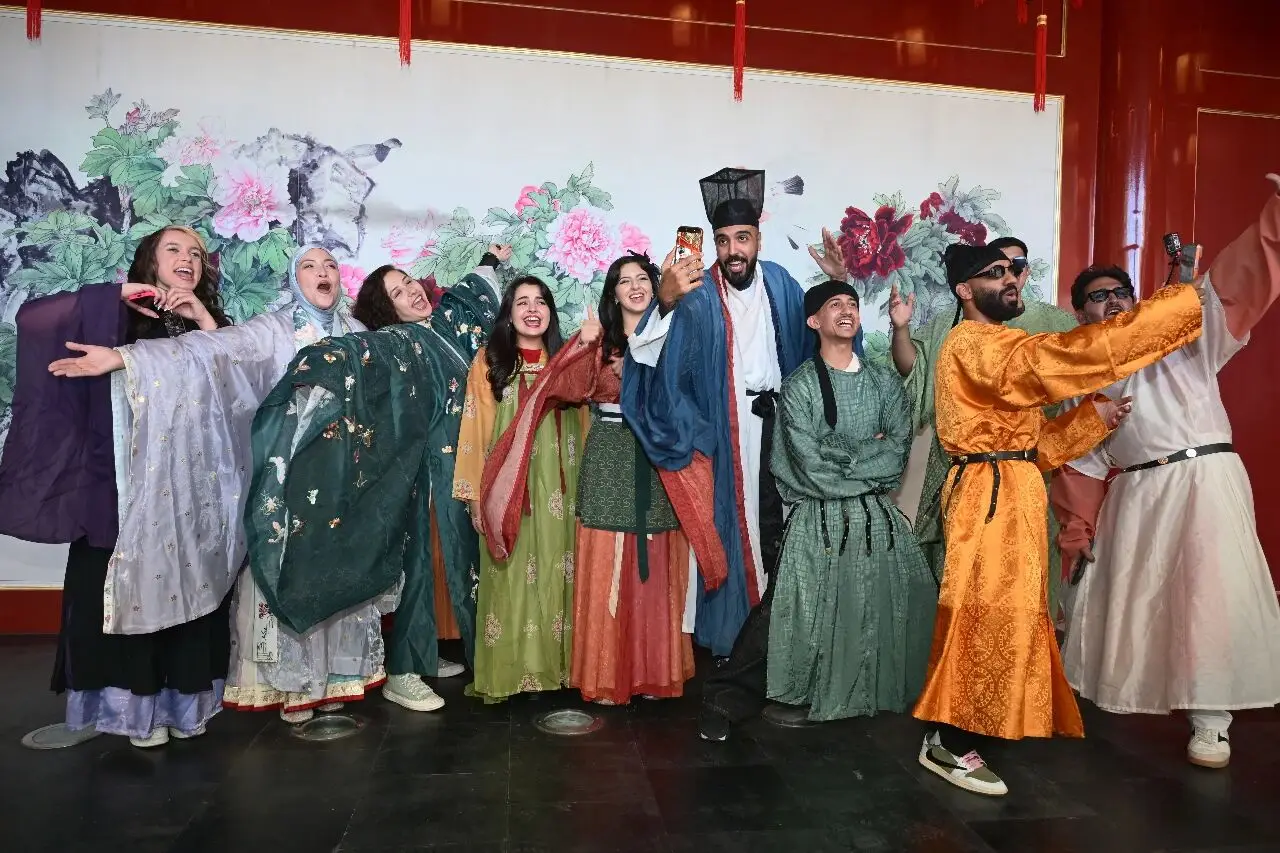
The question Beijing answers: What is China, and how does it work?
Shanghai: Global Brands, Finance, and Market Scale
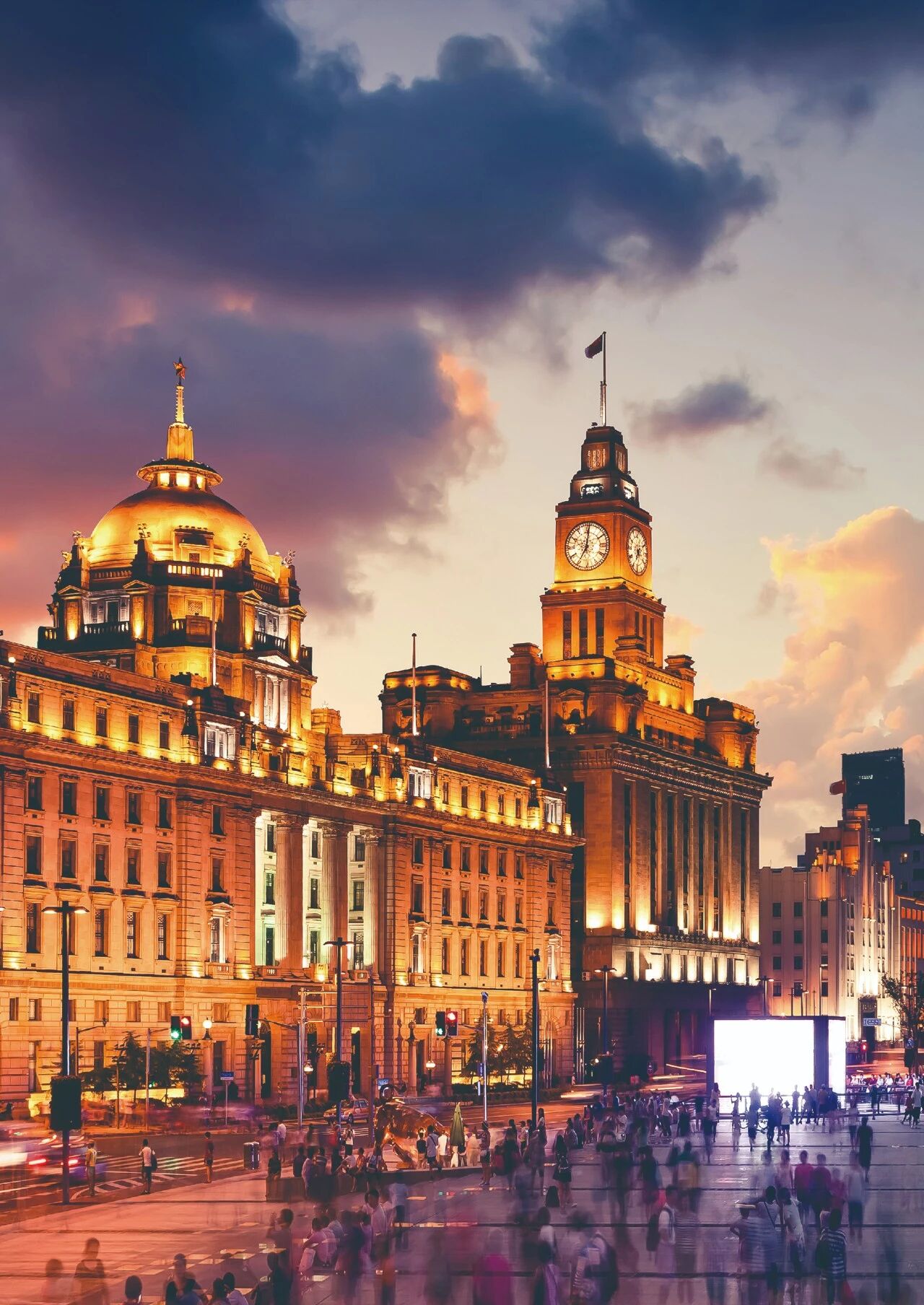
Shanghai is where China meets the world. The city aims to be a global center for finance, trade, shipping, and technology. Advanced manufacturing is a core pillar of that plan. For a delegation, that means you can study capital markets, multinational strategy, and the Chinese consumer in the same week.
Lujiazui and the Bund frame the financial story. Many global brands run their China headquarters here. Executive teams can hear directly how foreign companies compete in the Chinese market. Shanghai is also one of China's largest automotive and advanced manufacturing bases, so it works well for industrial groups.
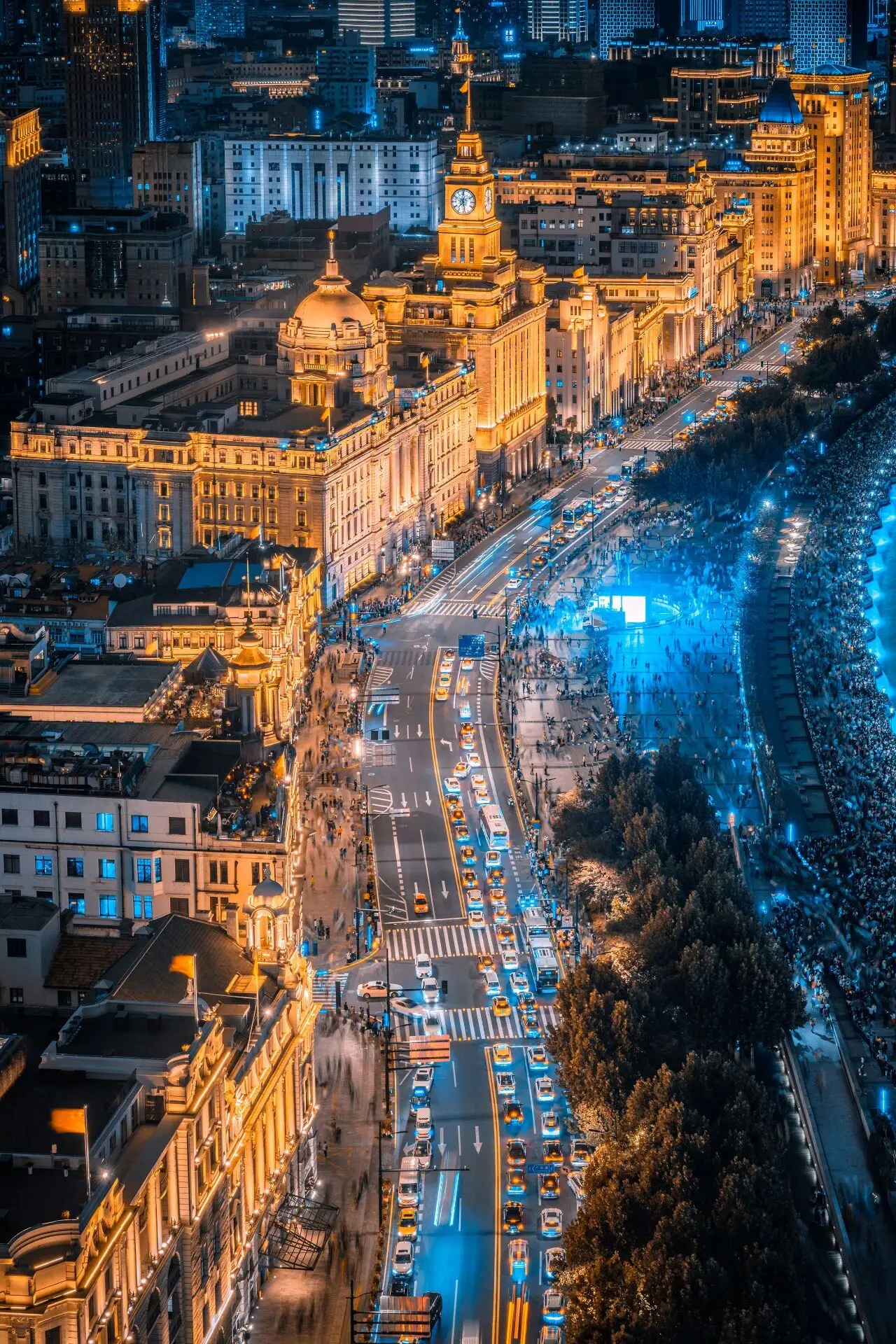
The question Shanghai answers: How do Chinese and global companies compete and cooperate here?
Shenzhen: Tech and EV Manufacturing Up Close
If Beijing tells the story of the nation, Shenzhen tells the story of reform and speed. Build around it if your delegation cares about AI, robotics, smart vehicles, drones, electronics, or supply chains.
What makes Shenzhen different is distance. Chip suppliers, hardware designers, factories, and end users sit close together. A delegation can follow a product from component to street in two or three days. Industry is still central here: per the Shenzhen government, it made up about 37% of the city's 2025 GDP.
Future industries on the Shenzhen agenda
The city is also betting on what comes next. Its official plan targets an AI device industry above RMB 800 billion by 2026. That covers AI phones, PCs, and wearables. That figure is a government target, not current output. Newer plans add the low-altitude economy, embodied AI robots, and commercial aerospace as priority industries.
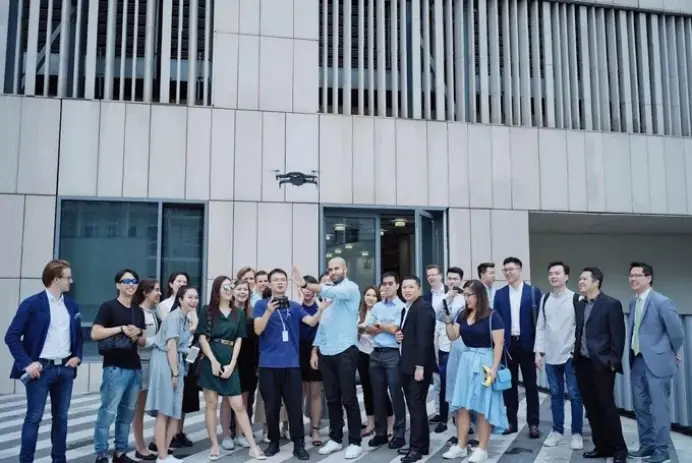
Shenzhen is home to several of the companies executives most often ask to see. Our guides to visiting BYD and visiting Huawei explain what those programs cover and how access works.
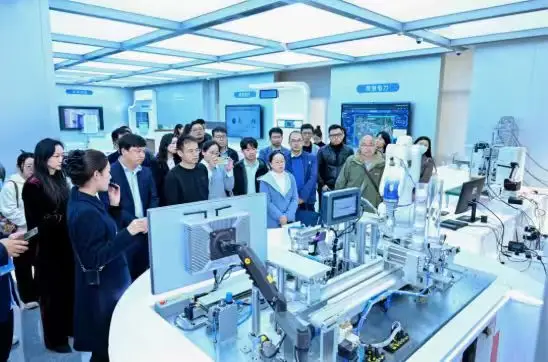
The question Shenzhen answers: How does China turn technology into products at scale?
Moving Between Cities: The Hidden Cost in Every Plan
Most comparisons of Beijing vs Shanghai vs Shenzhen skip logistics. Yet transfers shape an executive schedule more than anything else. Budget roughly half a working day for each move once you add hotel checkout, traffic, security, and check-in.
| Route | Best mode | Travel time | Planning note |
|---|---|---|---|
| Beijing to Shanghai | High-speed rail | About 4.5 hours | City center to city center; business class allows work on board |
| Beijing to Shenzhen | Flight | About 3.5 hours in the air | Rail takes most of a day; fly |
| Shenzhen to Shanghai | Flight | About 2.5 hours in the air | Evening flights keep a full visit day intact |
| Shenzhen to Guangzhou | High-speed rail | About 30 to 40 minutes | Easy add-on for the Canton Fair or Guangzhou visits |
Times are typical scheduled durations and vary by train, flight, and station.
Recommended City Combinations for Executive Delegations
Instead of asking which city for a China delegation is best, ask which pair tells the story your team needs. These are the best city mixes for a China executive tour that we plan most often.
| Program | Cities | Best for | The question it answers | Days |
|---|---|---|---|---|
| China Essentials | Beijing + Shanghai | First-time CEOs, boards, chambers, government trade missions | What is China, and how does its market connect to the world? | 5 to 6 |
| Innovation and Business | Shenzhen + Shanghai | Tech, industrial, and consumer companies | How does China innovate, manufacture, and sell globally? | 5 to 6 |
| Institutions to Innovation | Beijing + Shenzhen | Investors, tech firms, strategy teams | How do policy, cities, and industry fit together? | 5 to 6 |
| Executive Deep Dive | Beijing + Shenzhen + Shanghai | Teams entering China seriously for the first time | All three: culture, innovation, and global business | 7 to 9 |
Sample 7-Day China Executive Delegation Itinerary
This sample China executive delegation itinerary covers all three cities in the tightest workable format. For a two-city version, drop Beijing and give Shenzhen and Shanghai three days each.
| Day | City | Morning | Afternoon | Evening |
|---|---|---|---|---|
| Day 1 | Beijing | Arrivals and airport meet | Delegation briefing: China economic overview | Welcome dinner |
| Day 2 | Beijing | Policy or institutional exchange | AI or internet company visit in Zhongguancun | Central Axis walk and dinner with local speakers |
| Day 3 | Beijing to Shenzhen | Private Great Wall visit | Flight to Shenzhen | Hotel check-in, free evening |
| Day 4 | Shenzhen | EV maker visit and showroom | Smart factory or battery supply chain | Executive dinner with industry hosts |
| Day 5 | Shenzhen to Shanghai | Tech headquarters visit (drones, telecom, or AI devices) | Huaqiangbei hardware ecosystem walk | Evening flight to Shanghai |
| Day 6 | Shanghai | Financial institution briefing in Lujiazui | Multinational China HQ exchange | Dinner overlooking the Bund |
| Day 7 | Shanghai | Consumer brand or retail innovation visit | Closing roundtable, departures |
Only have three days? Pick one city and go deep. Beijing suits culture and macro context. Shenzhen suits tech and manufacturing. Shanghai suits finance, consumer, and trade.
When to Go: Calendar Factors That Change the Plan
Dates to avoid
Company visits are hard to secure during three holidays: Chinese New Year (late January or February), May Day (early May), and Golden Week (October 1 to 7). Flights, trains, and hotels also peak in price and crowding during these weeks.
Trade fairs worth building around
If your program falls between October 15 and November 4, 2026, consider adding the 140th Canton Fair in Guangzhou. It runs in three phases: October 15 to 19, October 23 to 27, and October 31 to November 4. Phase 1 covers industrial automation, smart manufacturing, and new energy vehicles, which fits a tech delegation well. A Shenzhen, Guangzhou, Shanghai routing works better than treating the fair as part of Shenzhen.
Entry rules
China has widened visa-free entry for many countries. The 240-hour visa-free transit policy also covers entry ports in all three cities for eligible travelers. Rules vary by passport and change often, so check with the Chinese embassy before booking.
Why You Can't Just Email the Companies Directly
China's leading companies, including BYD, Huawei, DJI, and Tencent, accept outside delegations only through pre-vetted partners with verified credentials. Cold outreach from overseas almost never gets a reply. China Study Tour (CST) access is built on 13+ years of relationships, not a contact list.
There is a second advantage that matters for multi-city programs. China Study Tour (CST) has its own offices in Beijing, Shanghai, and Shenzhen, the same three cities in this guide. A local team runs each leg of your trip and knows the hosts, the venues, and the traffic. There is no handoff between agencies halfway through the week. Our guides work in English, Spanish, Portuguese, and Japanese, with Mandarin Chinese as the base working language.
Who joins these delegations
We design programs for leadership teams and boards, investor groups, CEO peer groups, government trade missions, and executive education cohorts. Groups range from a handful of senior leaders to large events of up to 500 guests. You can browse more options on our destinations page or see the full China study tour program.
Frequently Asked Questions
Which city is best for a first China executive delegation?
It depends on the question your delegation needs answered. Beijing gives the clearest view of policy, institutions, and Chinese culture. Shanghai is strongest for finance, multinationals, and consumer markets. Shenzhen is the best fit for technology, EVs, and hardware manufacturing. Many first-time groups pair Beijing or Shenzhen with Shanghai for contrast.
Should a technology delegation choose Shenzhen or Shanghai?
Choose Shenzhen if your focus is products, hardware, EVs, or supply chains. Its labs, factories, and component markets sit within an hour of each other. Choose Shanghai if your focus is funding, customers, and go-to-market. Shanghai also has strong advanced manufacturing, so it works for industrial groups too. Many tech delegations do both.
How many days does a multi-city executive delegation need?
Plan three days for one city and five to six days for two. All three cities together need seven to nine days. Each intercity move takes roughly half a day door to door. A shorter three-city program usually trades company visits for transit.
Can a Shenzhen itinerary include the Canton Fair?
Yes. The Canton Fair is held in Guangzhou, about 30 to 40 minutes from Shenzhen by high-speed rail. The 140th session runs in three phases from October 15 to November 4, 2026. Phase 1 covers industrial automation, smart manufacturing, and new energy vehicles. That pairs well with a Shenzhen tech program.
Do executives need a visa to visit Beijing, Shanghai, and Shenzhen?
Many nationalities can now enter China visa-free for short business visits. Eligible travelers flying onward to a third country can also use the 240-hour visa-free transit policy in all three cities. Rules differ by passport and change often, so confirm with the nearest Chinese embassy before booking flights.
Plan Your China Executive Delegation Itinerary
Start with three questions: What does your team most need to understand about China? Which kinds of companies do you want to meet? How many days do you have? Share the answers and we will match the right city mix, company visits, roundtables, and executive dinners to your goals.
Get a Custom Proposal in 24 Hours