China Study Tour (CST) for South African Business Delegations
A South Africa business delegation to China has three problems to solve before the first company visit: a visa, a long flight and a short list of hosts that will actually open their doors. This guide covers all three. It also explains which Chinese industries match South Africa's own priorities, what a seven-day program looks like, and what it costs.
The best time for a South African delegation is March to May or September to November, booked 8 to 12 weeks ahead. Ordinary South African passports need a Chinese visa, because South Africa is not on China's visa-free or 240-hour transit lists. Air China's Johannesburg to Shenzhen flight, the only non-stop route to mainland China, runs five times a week from the late October 2026 winter schedule. A seven-day program costs USD 2,500 to 8,000 per person on the ground, without international flights.
Key Takeaways
- Visa first, flights second. South Africa still needs a full visa for China. One invitation letter from a Chinese host can cover the whole itinerary.
- One mainland direct route shapes the itinerary. The Johannesburg flight lands in Shenzhen before dawn, so Shenzhen is the natural first city.
- Choose sectors from South African priorities. Vehicle exports to Europe, electricity, deep mining and new tariff-free access to China all point to specific Chinese industries.
- Chinese competitors are already in South Africa. Chinese brands held 16.8% of the South African passenger car market in 2025, up from 11.2% in 2024.
- Solo travelers and small teams are welcome. They pay more per person, because cars, guides and interpreters cost the same for three people or fifteen.
Why South African Delegations Go to China Now
Start with trade. Two-way trade between China and South Africa reached USD 53.58 billion in 2025, according to Chinese customs data reported by Xinhua. China has been South Africa's largest trading partner for more than 15 years. South Africa, in turn, is China's largest trading partner in Africa.
Then add the 2026 policy change. China already gave zero tariffs to 33 of the least developed African countries from December 1, 2024. From May 1, 2026, it added the other 20 African countries it has diplomatic relations with, including South Africa. The new measure runs until April 30, 2028. The first shipment under it was 24 tonnes of South African apples, cleared at Shenzhen Bay port at midnight on May 1, 2026, with the tariff cut from 10% to zero.
A longer-term deal is also in progress. South Africa and China signed a framework agreement on economic partnership in February 2026. As of October 2026, talks on an early harvest arrangement, through the Southern African Customs Union (SACU), were still under way.
However, the trade is uneven. South Africa mainly sells minerals and farm produce and mainly buys manufactured goods. A zero tariff does not build a factory. That gap is why delegations travel. The most useful program is not a tour of Chinese achievements. Instead, it is a close look at the capabilities South Africa has decided to build at home.
This guide covers company visits and industry briefings for working professionals. China Study Tour (CST) does not place students in Chinese universities. South African inquiries often mix the two, so it helps to separate them at the start.
Four Sectors Worth Seeing, and the South African Reason for Each
Chinese industry is broad enough to fill any itinerary. South Africa's own pressures narrow the choice. Four clusters cover most of the serious interest we see from Southern African groups.
| South African pressure | What China already runs at scale | Where to see it |
|---|---|---|
| Vehicle exports | Europe took 80.3% of South Africa's record 414,268 vehicle exports in 2025 (naamsa), and European rules are moving buyers toward electric cars. At home, battery-electric and plug-in hybrid cars were only 3,898 of 596,818 new vehicles sold in 2025, about 0.65% (naamsa; BYD and Geely do not report to naamsa). China offers EV platforms, battery packs and the tier-one suppliers that make local production possible. | Shenzhen, Guangzhou, Changzhou, Hefei |
| Electricity | High power costs and supply cuts have forced many ferrochrome smelters to idle capacity. China shows grid-scale and commercial battery storage, solar-plus-storage systems, microgrids and energy management software. | Shenzhen, Changzhou, Hefei, Xiamen |
| Deep mining | South Africa mines roughly 70% of the world's platinum, and its deepest gold mines reach about 4 km underground. China shows autonomous haulage, underground robots, remote control centers and electric mining equipment. | Xuzhou, Changsha, Shenzhen |
| Tariff-free access | Zero tariffs raise the value of cold chain, fruit grading, packaging and e-commerce sales channels into China. China shows sorting automation, warehouse robots, live-commerce studios and platform logistics. | Shanghai, Hangzhou, Guangzhou, Shenzhen |
Why the automotive cluster comes first
If a South African group has time for only one theme, choose this one. Chinese brands held 11.2% of the South African passenger car market in 2024 and 16.8% in 2025, according to naamsa data reported by Reuters. The number of Chinese brands selling locally rose from 8 to 15 in the same period.
The change is no longer only about imports. Chery opened its Rosslyn plant near Pretoria, the former Nissan factory, on July 3, 2026. It plans to start production in mid-2027 with about 40% local content by 2028. When a competitor builds cars in your country, the useful question changes. It is no longer "should we buy from them?" It becomes "who supplies them, and can we?"
Where South African Delegations Have Visited With CST
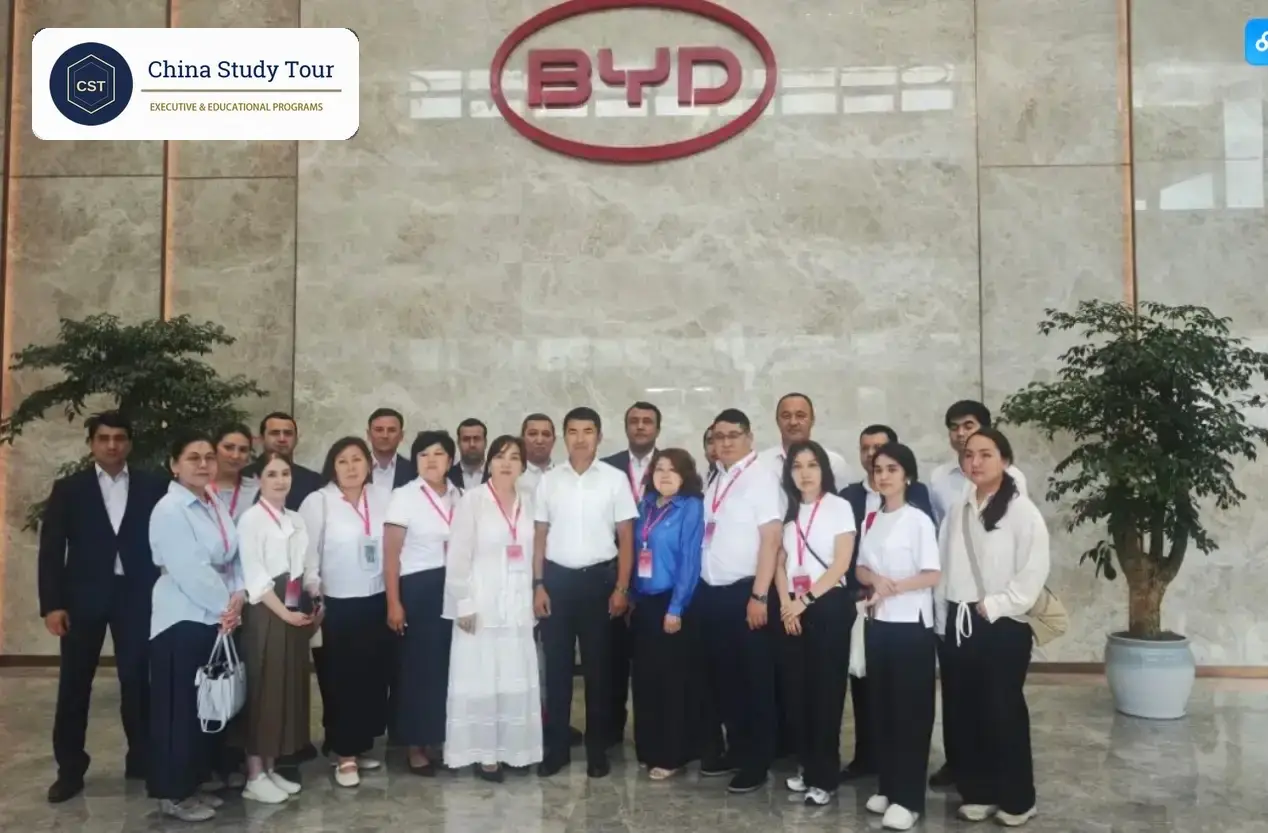
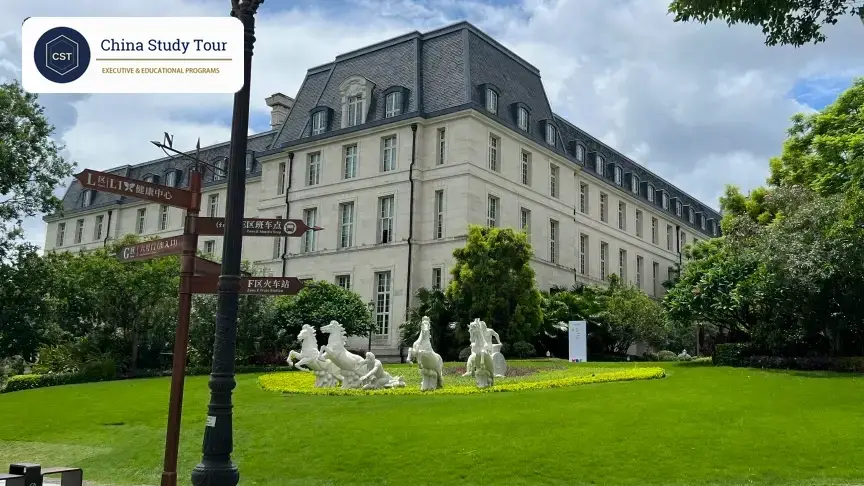
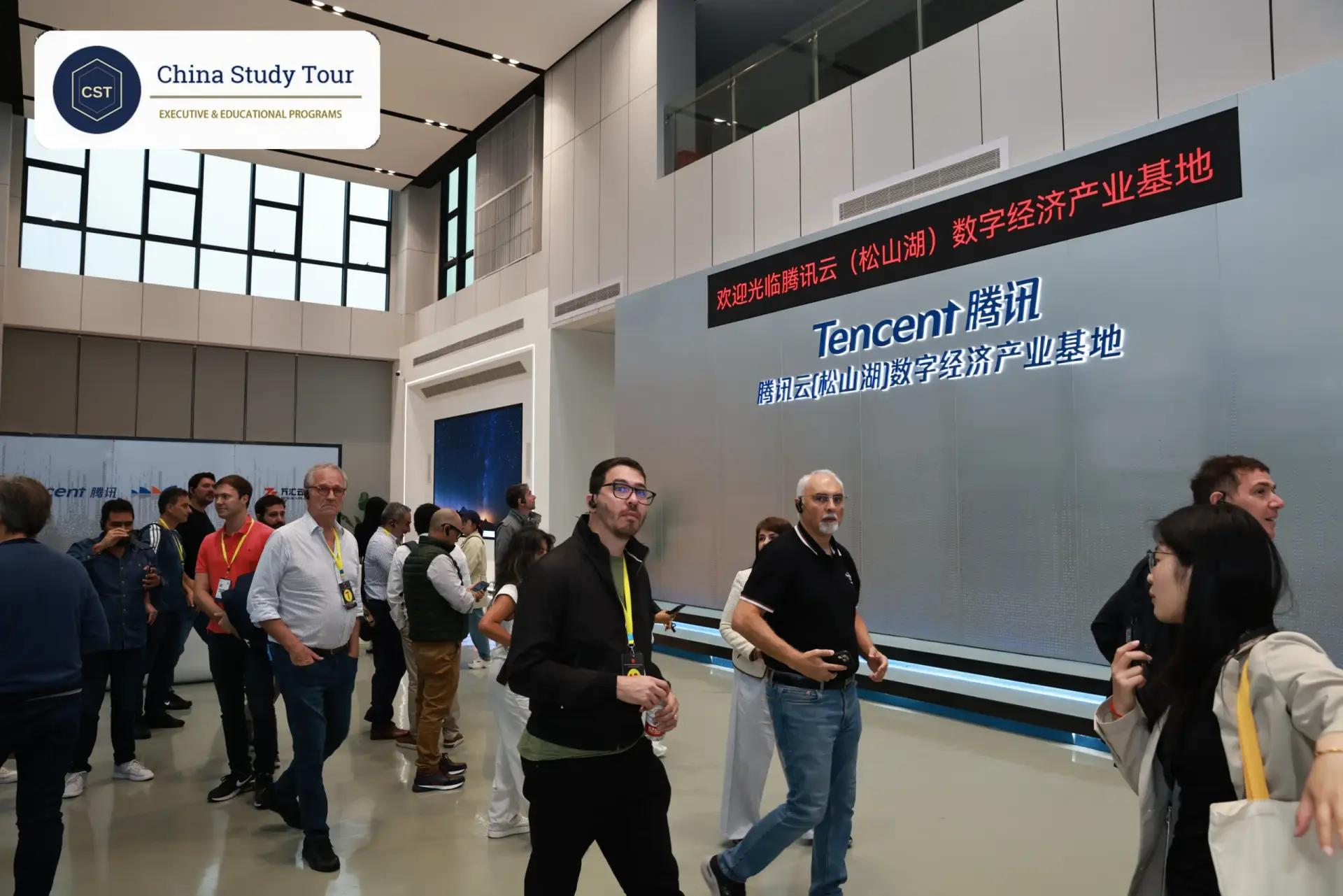
CST has hosted South Africa business delegations at several of the companies on most delegates' wish lists. These visits ran through hosted relationships, not public booking pages. The photos below come from those programs.
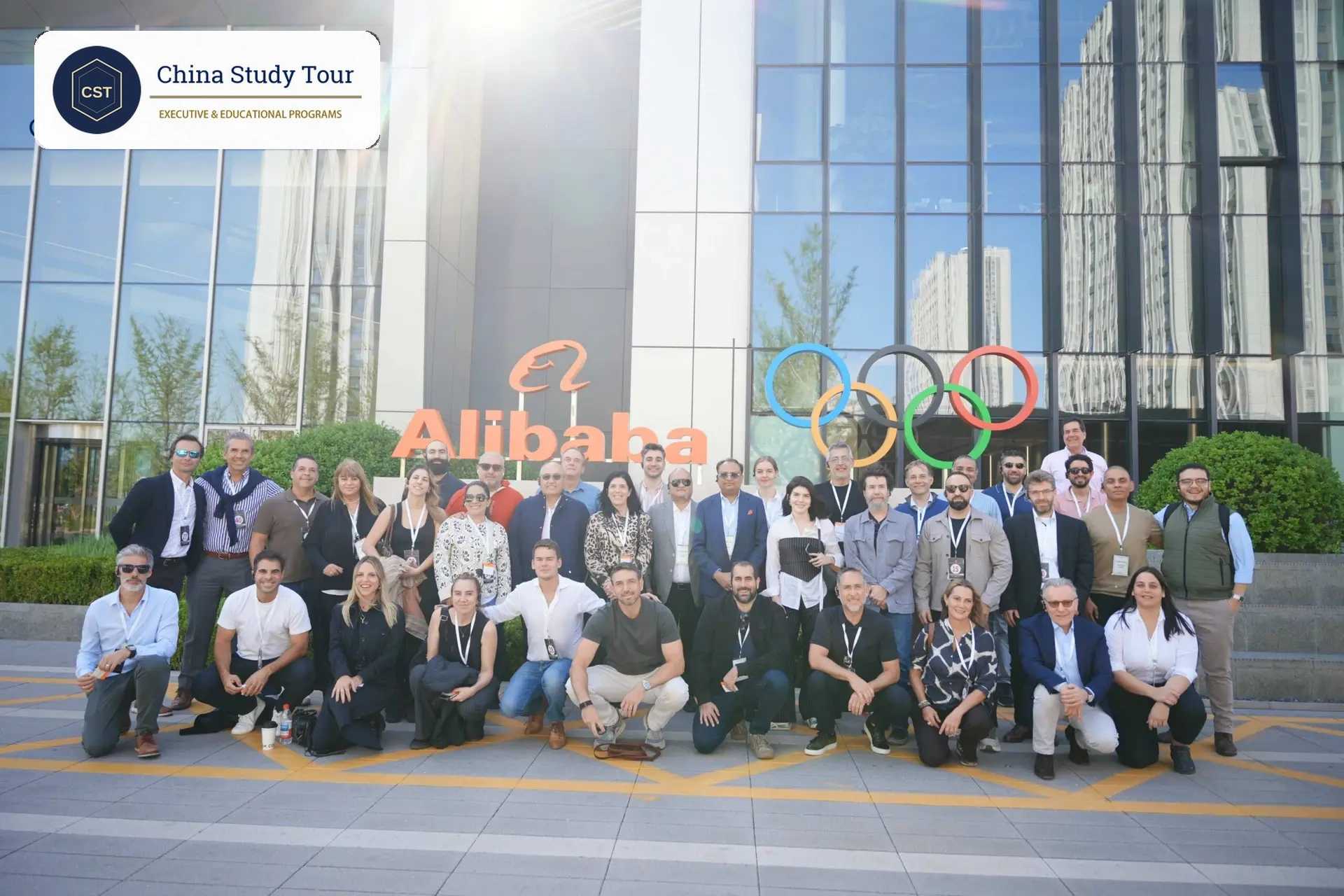
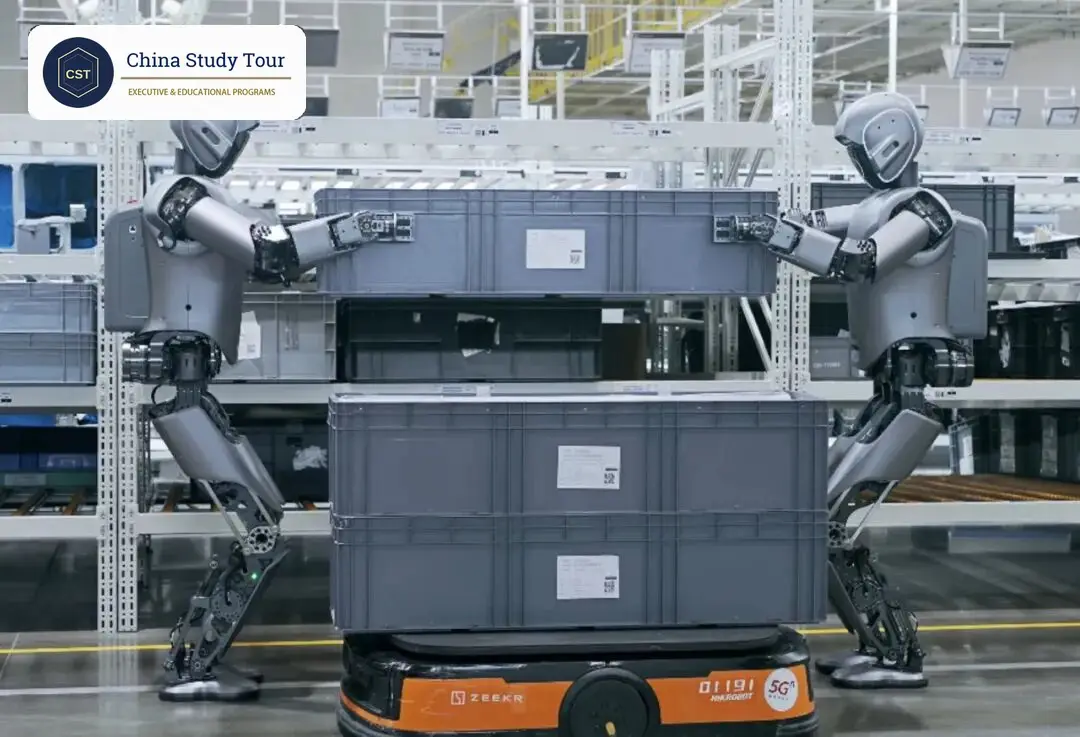
What official South African visits looked like
Public reporting gives a useful benchmark. Deputy President Paul Mashatile visited Shenzhen in June 2026. His program combined a South Africa trade exchange at the Go Global center in Nanshan, a tour of medical device maker Mindray, and meetings with Shenzhen companies. It ended at a South African products trade center in Dongguan (SAnews report). In short, one day mixed policy talks, business matching and site visits. The host companies were matched to South African priorities, not picked from a fixed menu.
Which Chinese Companies Will Accept Your Group
For a South Africa business delegation, most inquiries go wrong at this step. The companies at the top of a wish list usually have no public visit channel. BYD, Huawei, DJI and Tencent do not answer cold emails, and repeated emails do not change that. Access depends on who is asking, why, and how the visit is organized.
| Access level | What it means | Lead time |
|---|---|---|
| Public route | The company sells tickets to individuals and small groups. You can book without an introduction. These are mostly showrooms, museums and visitor centers, not working production lines. | Days to 2 weeks |
| Group application | No public booking, but the company receives organized groups on application. It needs a named organization, a purpose, a delegate list and often a letter. | 4 to 6 weeks |
| Invitation only | Hosted access to working plants and R&D (research and development) sites. It depends on relationships and production schedules, and a host can cancel close to the date. | 8 to 12 weeks or more |
China's leading companies accept outside groups only through vetted partners with a track record. Cold outreach from abroad almost never succeeds. CST's access is built on 13+ years of relationships, not on a contact list.
One more warning. Several Chinese robotics and AI companies have said publicly that they do not sell paid visits. If a broker quotes a price per person for entry to a named company, ask for the company's written confirmation. A real program charges for planning and coordination, not for a ticket.
Tell us your sector and dates. We will confirm which visits are realistic before you book flights.
China Visa Rules for a South Africa Business Delegation
South Africa is a major trading partner, but its citizens still need a visa. China's 30-day visa-free policy covers about 50 countries, and none of them are in Africa. South Africa is also not on the 240-hour visa-free transit list or the Hainan list. Ordinary South African passport holders must apply before travel.
The process is routine once you know it. Applications go through the Chinese Visa Application Service Center network. The main center is in Johannesburg, with offices in Cape Town and Durban. Passports need at least six months of validity and two blank pages. Regular processing takes a few working days in Johannesburg and longer at the Cape Town and Durban offices, which handle regular service only. Check current rules with the Chinese Consulate General in Johannesburg.
Three points save weeks:
- One invitation letter can cover the trip. A business delegation uses the M (business) visa, which needs an invitation from a Chinese business partner. A host company can issue it. For a multi-company program, the program organizer usually issues one letter for the whole itinerary, so you do not need a letter from every company.
- Apply as a group, travel as a group. Group applications move together. A delegate who books a separate flight home can cause problems at the visa counter.
- Start at least three weeks before departure. Processing is quick. However, the invitation letter takes time to prepare, and one missing document restarts the clock.
Flights: What One Direct Route Changes
There is one non-stop route between South Africa and mainland China. Air China runs Beijing to Shenzhen to Johannesburg with an Airbus A350-900, with Shenzhen as the stop. From the winter schedule that starts in late October 2026, the service increased from three to five flights a week (Aeroroutes schedule).
| Direction | Departs | Arrives | Flight time |
|---|---|---|---|
| Johannesburg to Shenzhen (CA868) | 10:10 (10:20 on some days) | 05:25 next day (scheduled) | About 13 hours |
| Shenzhen to Johannesburg (CA867) | 00:10 | 07:40 same day | About 13.5 hours |
China is six hours ahead of South Africa. Flying east, you leave Johannesburg in the morning and land in Shenzhen before dawn. With an early hotel check-in, the group can rest and hold an opening briefing that afternoon. Flying west, a departure just after midnight lands in Johannesburg at breakfast time. Routings through Doha, Dubai or Addis Ababa usually take 20 to 26 hours door to door. Cathay Pacific also flies daily from Johannesburg to Hong Kong, which works for groups that start in Hong Kong and cross to Shenzhen by land. Actual arrival times can vary by up to an hour, so check the airline's schedule before you book.
Two planning notes. First, five flights a week means limited group seats in peak months, so hold seats early, but only after the visa plan is clear. Second, the same flight continues to and from Beijing. A group can therefore finish in Beijing and board the Johannesburg flight there in the early evening.
A Seven-Day Program Built Around That Flight
This is the shape a South Africa business delegation of 10 to 20 people usually ends up with. Two site visits a day is the practical maximum. Three is possible, but groups usually regret it.
| Day | City | Content |
|---|---|---|
| 0 | In transit | Morning departure from Johannesburg. |
| 1 | Shenzhen | Early arrival, hotel check-in and rest. Afternoon opening briefing, then a welcome dinner. No site visits. |
| 2 | Shenzhen | EV and battery supply chain. One visit in the morning, one after lunch, and a 45-minute debrief. |
| 3 | Shenzhen and Dongguan | Electronics, robotics or a Huawei campus visit. Two visits, plus an optional walk through the Huaqiangbei electronics market. |
| 4 | Shanghai | Morning flight. Afternoon visit in automotive or healthcare technology. |
| 5 | Shanghai or Hangzhou | Energy storage or e-commerce in the morning. Afternoon briefing with a trade or industry body. |
| 6 | Shanghai to Shenzhen | Follow-up meetings with chosen counterparts, then a closing session that produces the written report. Evening flight to Shenzhen for the 00:10 departure. |
| 7 | Johannesburg | Arrival at 07:40. Optional: extend to Beijing for policy meetings and board the same flight there. |
If the group also wants to source products, keep that separate. A sourcing trip runs at a different pace, with fewer briefings and more negotiation. Mixing both in one week usually serves neither goal. A better option is a separate three-day sourcing module before or after the main program.
Traveling Alone or as a Small Team
Not every South Africa business delegation is large. Many inquiries come from one person, or a founder with two colleagues. That works well. It does need honest pricing, because most pricing assumes a full bus.
A car with a driver, a bilingual guide, an interpreter and the planning behind four company visits cost about the same for three people or fifteen. As a result, the price per person for three can be two to three times the group rate. Nobody is overcharging; the fixed cost is simply shared by fewer people.
Three ways to lower the cost and keep the access:
- Join a monthly group departure. CST runs group programs of 20 to 30 people on set dates. One or two delegates can take seats and share the fixed cost.
- Stay in one city. Shenzhen alone supports three or four days of serious visits. This removes domestic flights and hotel moves.
- Choose depth over breadth. Two half-day visits with real conversations are worth more than five short walk-throughs, and they cost less to arrange.
What a South Africa Business Delegation Program Costs
Most 7-day programs cost between USD 2,500 and 8,000 per person on the ground. Four things decide where a group lands: the number of cities, the number of visits, the hotel level and the group size. A 20-person group doing ten visits in two cities with four-star hotels sits near the bottom. A six-person group doing 14 visits in three cities with senior-level meetings sits near the top.
The price includes hotels, transport inside China (domestic flights and high-speed rail), bilingual guides and interpreters, company visit coordination, industry briefings and the closing report. It excludes international flights, Chinese visa fees, travel and medical insurance, personal costs and single rooms.
Quotes are in US dollars, but your internal approval probably runs in rand. A large exchange rate move between approval and deposit can reopen the budget. Two habits help: approve the quote in dollars with a stated validity date, and pay the deposit in the same week the approval clears.
We send itemized written quotes within 24 hours of a brief with group size, sectors, dates and budget range. The quote is free, with no obligation. If the numbers do not work, we would rather say so early.
When to Go, and When Not To
A South African group has two calendars to check: China's and its own.
| Period | Advice | Reason |
|---|---|---|
| March to May | Best | Mild weather in all three main cities and normal factory schedules. |
| September to November | Best | The strongest period for factory and technology visits. In early November, the import expo in Shanghai raises hotel prices. |
| June to August | Avoid in the south | Hot, humid and typhoon season in Shenzhen and Guangzhou, with storms possible into September. Fine for Beijing. |
| First week of October | Avoid | National Day holiday, sometimes extended when it joins the Mid-Autumn Festival. Hotels and transport are very busy. |
| Early to mid February 2027 | Avoid | Lunar New Year falls on February 6, 2027. Factories slow down for weeks around it. |
| Mid December to mid January | Not recommended | China is working, but South Africa is on holiday. Decision-makers are away and approvals stall. |
Also check trade fair dates for your year. The autumn Canton Fair usually runs in three phases from mid-October to early November and fills hotels in Guangzhou. Confirm dates with the organizer before you build a program around them.
Six Questions to Ask Any Organizer
Whether you work with us or with someone else, these questions separate a real program from a promise.
- Who issues the invitation letter, and when? It should be the organizer, with a stated turnaround time.
- Is each visit confirmed in writing? A verbal yes in week two is not a confirmed visit in week ten.
- How long is each visit, and how many people can the host take? Two to three hours is realistic. A 45-minute walk-through is a showroom, not a company visit.
- Who runs the debrief, and what is the written output? If the answer is a photo album, you are buying a tour.
- Have you hosted African groups, and who handles the time difference? A six-hour gap matters when approvals need a same-day answer.
- What happens if a host cancels close to departure? Ask for the replacement policy in writing.
Our own answers: CST issues invitation letters, usually within a week of a final delegate list. Every visit is confirmed in writing and checked again before departure. The closing report arrives within five working days of your return. Where an invitation-only visit looks fragile, we hold a named backup before you fly.
Planning Checklist
| Item | What to plan for |
|---|---|
| Lead time | 8 to 12 weeks for a standard program with confirmed visits; 3 to 4 months for 20+ people or senior-level meetings. |
| Visa | M (business) visa; apply at least 3 weeks before departure. |
| Flights | Air China CA868 / CA867 via Shenzhen, five times a week. |
| Group size | 1 to 30+; best value from about 10 people. |
| Language | English, Chinese, Spanish, Portuguese, and Japanese. All guides are bilingual, and additional language support is available upon request. |
| What to send us | Group size, priority sectors, the decision the trip should support, date window and budget per person. |
Who can join: company executives and owners, industry associations, chambers of commerce, business schools, and government trade missions. For the planning sequence, read our guide to planning a China business delegation. For company access rules, see which Chinese companies accept corporate visitors. Company pages: BYD company visits and Huawei company visits. City guide: Shenzhen for business delegations.
CST program managers in Shenzhen and Shanghai wrote this guide from programs run for South African groups. The photos come from those programs. Trade, vehicle and flight figures come from Chinese customs data, naamsa, Reuters, SAnews and published airline schedules, and are a snapshot as of October 2026. Visa rules and flight schedules change, so confirm them at the time of booking.
Frequently Asked Questions
Do South African citizens need a visa for a China business trip?
Yes. South Africa is not on China's 30-day visa-free list, the 240-hour visa-free transit list or the Hainan list. Ordinary South African passport holders need a visa before travel. Business delegations normally use the M (business) visa, which needs an invitation letter from a Chinese business partner. For a multi-company program, the organizer usually issues one letter for the whole trip.
How long does a Chinese visa take for South African passport holders?
Regular processing takes a few working days at the Chinese Visa Application Service Center in Johannesburg, with express options there. The Cape Town and Durban offices take longer. Apply at least three weeks before departure, because the invitation letter needs time and a missing document restarts the process. Confirm current timings with the center.
Is there a direct flight from South Africa to China?
Yes, one route to mainland China. Air China flies Johannesburg non-stop to Shenzhen, and the flight continues to Beijing. From late October 2026, it runs five times a week on an Airbus A350-900, leaving at 10:10 and landing at 05:25 the next day (scheduled). Cathay Pacific also flies daily to Hong Kong.
What is the best time of year for a South African delegation to visit China?
March to May and September to November. These months have mild weather and normal factory schedules. Avoid the first week of October, Lunar New Year around February 6, 2027, and the hot typhoon season in southern China from June to August. Also avoid mid December to mid January, when most South African companies are on holiday.
How much does a 7-day China study tour cost for a South African group?
Most 7-day programs cost between USD 2,500 and 8,000 per person on the ground. This covers hotels, transport inside China, bilingual guides, company visits, briefings and the closing report. International flights, visa fees, insurance and single rooms are extra. Small groups pay more per person, because fixed costs are shared by fewer people.
Can one person or a small team join a China company visit program?
Yes. CST accepts single travelers and teams of two to five, and many South African inquiries come this way. The limit is cost, not access. To lower the cost, join a monthly group departure of 20 to 30 people, or shorten the program to three or four days in one city, usually Shenzhen.
Is this a study-abroad or student placement service?
No. CST does not place students in Chinese universities or sell degree programs. Programs are company visits, factory visits and industry briefings for working professionals, company teams and delegations. The only student product is a short educational tour for school and university groups that travel with their own teachers.
Which cities should a South African delegation choose?
Start with Shenzhen, because the direct flight lands there and electronics, EV and robotics companies are close together. Add Shanghai for automotive, finance and healthcare, with Hangzhou one hour away for e-commerce. Add Beijing for policy meetings and state-owned company headquarters. In seven days, choose two cities, not three.
Send your sectors, dates and group size. We will confirm which visits are realistic, plan the visa timeline and send an itemized proposal within 24 hours.
Get a Custom Proposal in 24 Hours →
Email: info@chinastudytour.ai·WhatsApp / WeChat: +86 131 6180 6706