EV and New Energy Study Tour in China: Which Companies to Visit
An EV study tour China itinerary lives or dies on the visit list. Here is who is worth a slot, who is harder to reach than people assume, and how to put the week in the right order.
- 📍 Shanghai · Changzhou · Shenzhen
- 📅 5 days typical
- 🔋 Vehicles · Batteries · Charging
- 👥 8–25 delegates
- ✍ Updated August 2026
China's EV and new energy sector offers some of the most in-demand company visits for executive groups, from battery makers to charging network operators. A strong five-day program covers three layers: a vehicle maker such as BYD, a battery or component supplier, and a charging or swap network. Two cities, four anchor visits, booked eight to twelve weeks ahead.
Why China for EV and New Energy Study Tours
You can read about vertical integration or you can stand next to it. That is the honest case for an EV study tour China program over another consultancy deck.
Three things are hard to grasp from a distance:
- Depth of the supply chain. Cells, cathode material, motors, power electronics and software often sit within a two-hour drive. Sourcing teams see the implication immediately.
- Speed of iteration. Model cycles here are measured against a different clock than in Europe or North America. Ask any host how long from program approval to start of production, then watch your engineers' faces.
- Charging as infrastructure. Battery swap stations and megawatt charging run at commercial scale, not in pilots. Visitors rarely plan to care about this, then talk about it all week.
Several Chinese automakers now run public factory tours. Demand is heavy enough that tickets get handed out by lottery. Xiaomi runs shuttles through a heavily automated line; NIO opens most of its Hefei production lines to registered app users for a token fee. These are marketing experiences, and they are genuinely impressive. What they are not is a business session. There is no host to question, no roadmap discussion, and no follow-up contact. Executive groups need the corporate channel, which is a separate process with a separate approval track.
Top Companies to Visit on an EV Study Tour
Pick for the layer of the industry each one explains, not for name recognition. Access varies by company, by season and by group. Any serious operator confirms hosts in writing before you book flights.
BYD (Shenzhen)
The anchor visit for most groups, and the clearest case of vertical integration in the sector. BYD builds its own batteries, motors, electronic controls and IGBT chips. That is how a battery company ended up leading in vehicles. At the Shenzhen headquarters, groups walk the museum complex and showroom, with a look into automated production where the schedule allows. Our BYD company visit guide covers the format, the booking window and the test-drive rule that catches groups out.
CATL (Ningde and the Yangtze Delta)
The world's largest battery maker, and the name every board asks about. One practical caveat: the headquarters sits in Ningde, Fujian, a long way from anywhere else on a normal itinerary. Groups that insist on Ningde give up a full day to travel. Most teams get more out of a battery visit in the Changzhou and Liyang cluster, where cell production, module assembly and materials suppliers sit close together. See the Changzhou destination guide for what else is in reach there.
NIO, XPeng and Li Auto
The newer brands are where you see software-defined vehicles and direct-to-consumer retail up close. NIO is built around battery swap, worth seeing in operation before you form an opinion about it. XPeng sits in Guangzhou, close enough to Shenzhen to pair in the same leg. Li Auto's manufacturing base is in Changzhou, in the same cluster as the battery visits. Delivery centers and showrooms are far easier to arrange than assembly plants, and commercial teams often get more out of them.
EV Supply Chain Visits: Batteries, Components, Charging
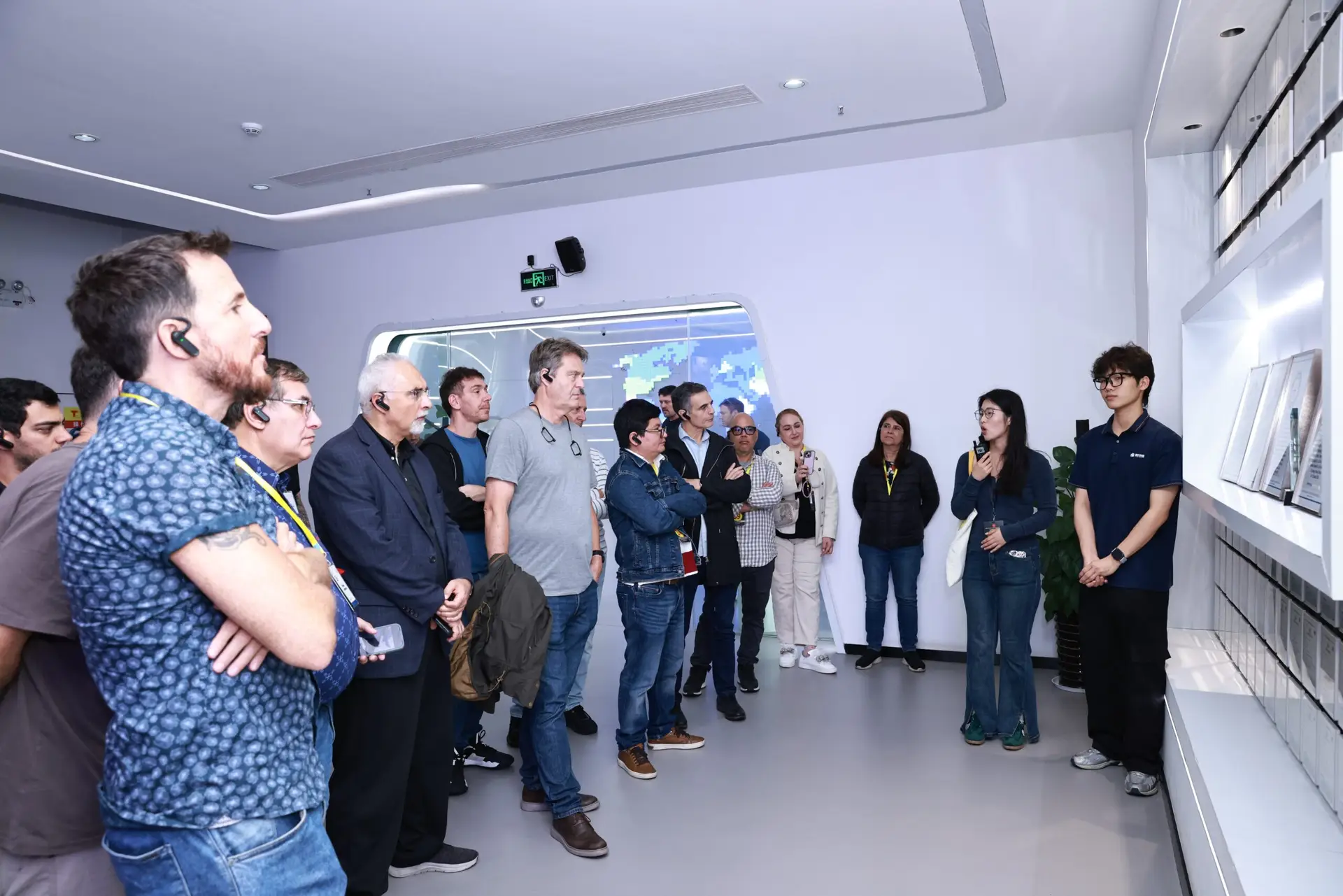
A week of nothing but car plants gets repetitive by day three. The supply chain is what makes the trip a study tour instead of a factory crawl:
- Cell and pack manufacturing — where cost per kilowatt-hour gets decided, and where LFP versus ternary chemistry stops being a slide.
- Cathode and materials — the upstream layer procurement teams keep asking about. Most itineraries skip it.
- Power electronics and motors — inverters, e-axles and thermal systems, usually clustered around Suzhou and Wuxi.
- Charging and swap networks — operators running tens of thousands of connectors. Swap stations turn a refuel into a five-minute stop.
- Recycling and second life — the question every ESG committee sends with the delegation. China's recyclers are further along than most visitors expect.
Groups with an automation mandate should also see our robotics and manufacturing tours, since EV plants are the most automated production environments in the country. Sustainability-focused groups often add a stop from the green economy program.
Sample 5-Day EV-Focused Itinerary
Most EV study tour China programs run the Yangtze Delta first and the Pearl River Delta second. The supply chain builds context for the vehicle maker at the end, and the outbound flight is easier from Shenzhen.
| Day | City | Morning | Afternoon |
|---|---|---|---|
| 1 | Shanghai | Arrival and transfers | Orientation briefing: China's new energy policy, subsidies and market structure |
| 2 | Shanghai / Suzhou | Anchor visit: components supplier — power electronics, motors or thermal systems | Retail and delivery center visit; structured debrief |
| 3 | Changzhou | Anchor visit: battery cell or pack plant | Charging or swap network operator; evening rail or flight to Shenzhen |
| 4 | Shenzhen | Anchor visit: BYD headquarters, museum complex and showroom | Technology roadmap briefing; test drive where arranged |
| 5 | Shenzhen / Guangzhou | Optional fourth visit: newer brand or supplier | Closing debrief and departures |
Seven-day versions add Beijing for the policy layer or Hefei for a second vehicle plant. Three-day versions stay in one delta and drop to two anchor visits. The full week-long structure is laid out in our sample 7-day itinerary.
How to Structure an EV Study Tour China Program
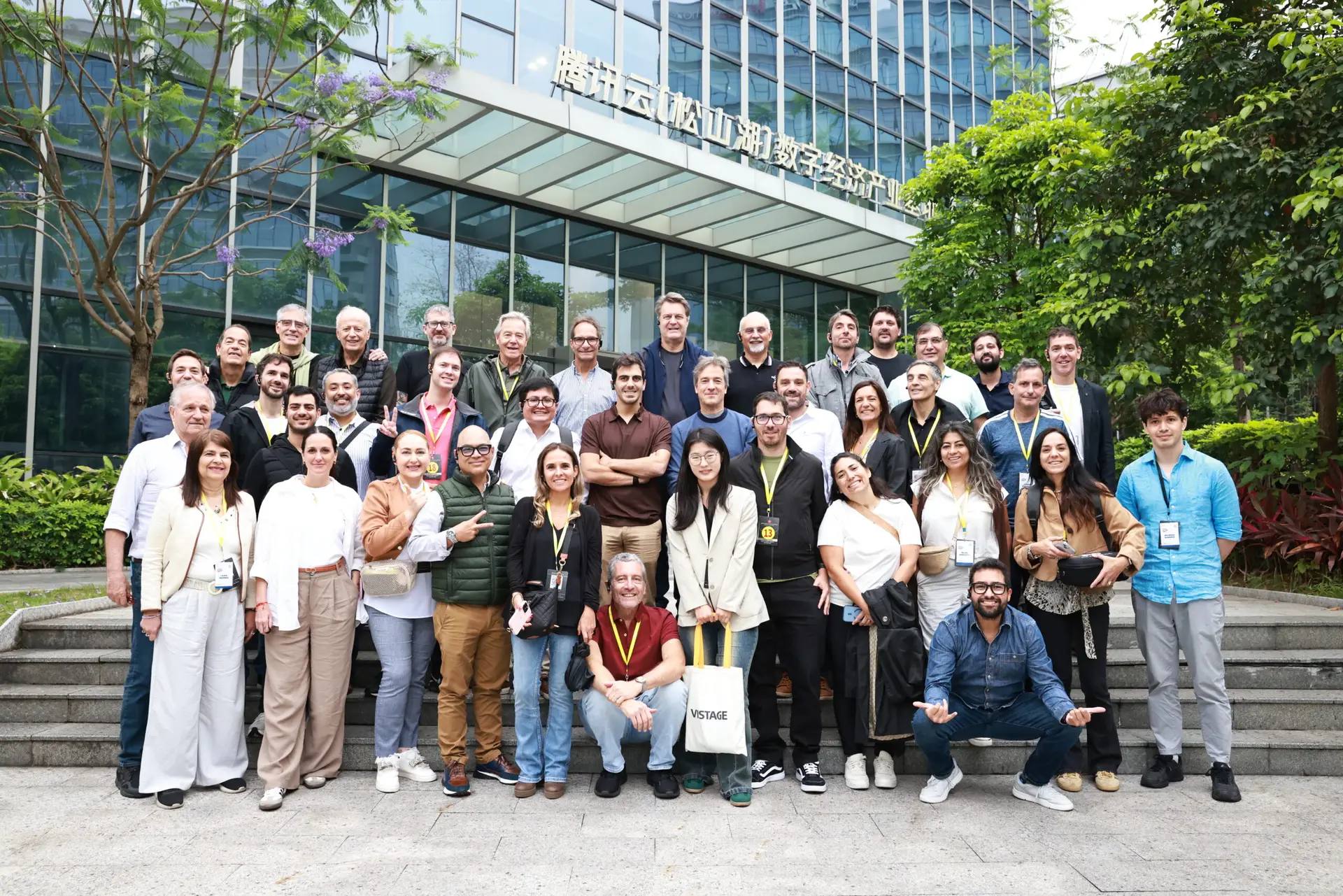
Five rules hold across almost every EV study tour China program we run:
- Three layers, not three logos. One vehicle maker, one battery or component supplier, one charging operator. That beats three car plants.
- Cluster, don't crisscross. Each delta is dense enough to fill two days. Chasing one famous name across the country costs a working day each way.
- Send technical questions ahead. Cost per kilowatt-hour, line takt time, supplier qualification cycles. Hosts bring the right engineer when they know what's coming.
- Put the plant visit before the strategy session. Groups ask better questions after they've stood on the floor.
- Book eight to twelve weeks out. EV hosts are the most requested category in the country right now, and the good slots go early.
The standing program formats are on our EV and new energy tours page, and how to organize an executive delegation covers the process end to end.
Frequently Asked Questions
Which EV companies can groups actually visit in China?
BYD is the most reliable anchor for corporate groups. Battery, component and charging companies are generally easier to arrange than headline assembly plants. Access changes with the season and the host's own schedule, so any operator should confirm specific companies in writing before you commit to dates.
Can we visit CATL's headquarters?
CATL's headquarters is in Ningde, Fujian, which is several hours from the cities most itineraries use. Groups set on Ningde should budget a full travel day. Most teams get comparable value from a battery plant in the Changzhou and Liyang cluster, which pairs with component and charging visits in the same trip.
How many company visits fit into a 5-day EV program?
Three to four anchor visits, each running three to four hours including travel, plus briefings and debriefs in the remaining slots. Pushing for six visits in five days means seeing all of them badly and having no time to discuss any of them.
Are the public EV factory tours enough for a business group?
No. Public tours are marketing experiences with no host to question and no follow-up contact. Tickets are often allocated by lottery. Corporate visits run through a separate approval channel and include a briefing and Q&A with company staff.
Do delegates need technical backgrounds?
No. Mixed groups of executives, procurement leads and engineers work well. Briefings are pitched at strategy level, and the plant walk gives everyone a shared reference point. Tell us the mix in advance so the interpreter can prepare the right vocabulary.
What languages are supported on an EV study tour?
English, Chinese, Spanish, Portuguese, and Japanese. All guides are bilingual, and additional language support is available upon request. Technical interpretation for battery and powertrain sessions is briefed separately before departure.
Get an EV Itinerary Built Around Your Group
Send your sector focus, group size and travel window. We come back with proposed host companies, a city sequence and an itemized quote within 24 hours.
Get Your EV Itinerary →Email info@chinastudytour.ai · WhatsApp / WeChat +86 131 6180 6706
More on company visits: BYD company visit · Alibaba company visit · Shenzhen · Shanghai · Corporate visit FAQ · Client reviews · Contact
Background on the rise of public EV factory tours in China: Autoblog.