China Study Tour (CST) Itinerary: Sample 7-Day Executive Program
A typical 7-day China study tour itinerary covers 2–3 cities and includes 3–5 company visits. Below is a real sample itinerary showing how each day is structured — from morning briefings to evening networking — across Shanghai (tech and finance), Shenzhen (EV and hardware), and Beijing (policy and AI).
- A 7-day program fits one morning company visit and one afternoon session per day without feeling rushed.
- City sequencing matters: Shanghai first (finance and tech foundations), Shenzhen second (manufacturing and consumer tech), Beijing last (policy and strategic context).
- Evening networking dinners are built into every day — not optional add-ons.
- The itinerary below can be compressed to 5 days by dropping Beijing, or expanded by adding a Suzhou or Hangzhou day.
- Company visits are arranged through CST's vetted partner network — cold outreach to Chinese companies almost never succeeds.
What makes a good China study tour itinerary
The best programs balance information density with processing time. Packing eight sessions into a day produces exhausted delegates who remember little; too few sessions waste the trip. The benchmark CST uses is two substantive sessions per day — one company visit or expert briefing in the morning, one facility tour or panel in the afternoon — with evenings reserved for hosted dinners that continue the conversation informally.
City sequencing also shapes how well delegates absorb the material. Shanghai sets the financial and tech context: delegates understand scale, valuations, and the digital consumer market before they see the factories and hardware labs that produce it. Shenzhen then shows the supply chain and manufacturing speed that underpins those numbers. Beijing closes the loop with policy briefings and AI research visits that explain where the country is trying to go, not just where it is.
Sample 7-day program
The table below is a real program template China Study Tour (CST) uses as a starting point for executive delegations. Times and venues are confirmed 4–6 weeks before departure.
| Day | City | Morning (AM) | Afternoon (PM) | Evening |
|---|---|---|---|---|
| 1 | Shanghai | Arrival & welcome briefing — China macro context | Pudong financial district orientation walk + PBOC policy briefing | Welcome dinner, Bund-view venue |
| 2 | Shanghai | Company visit: fintech or SaaS (Ant Group ecosystem / local equiv.) | Zhangjiang Hi-Tech Park — deep dive into biotech / semiconductor clusters | Industry roundtable dinner with local founders |
| 3 | Shanghai | Supply chain & e-commerce briefing — Tmall / JD logistics model | Free afternoon for bilateral meetings or Suzhou day extension | Delegate networking dinner; high-speed rail to Shenzhen (evening) |
| 4 | Shenzhen | Company visit: EV innovation (BYD, Leapmotor, or equivalent) | Huaqiangbei electronics market — hardware sourcing and component ecosystem | Shenzhen tech ecosystem dinner with hardware entrepreneurs |
| 5 | Shenzhen | Company visit: consumer tech or drone manufacturing (DJI campus or equiv.) | Debrief workshop — delegates share observations and open questions | Cultural program + flight to Beijing |
| 6 | Beijing | Policy briefing — regulation, national strategy, Belt and Road context | Company visit: AI or semiconductor research (Zhongguancun district) | Government relations dinner — think tank or policy institute host |
| 7 | Beijing | State enterprise briefing or Great Wall cultural half-day | Closing synthesis session — key takeaways, action items, follow-ups | Farewell dinner; departures |
Day 1–3: Shanghai (tech and finance)
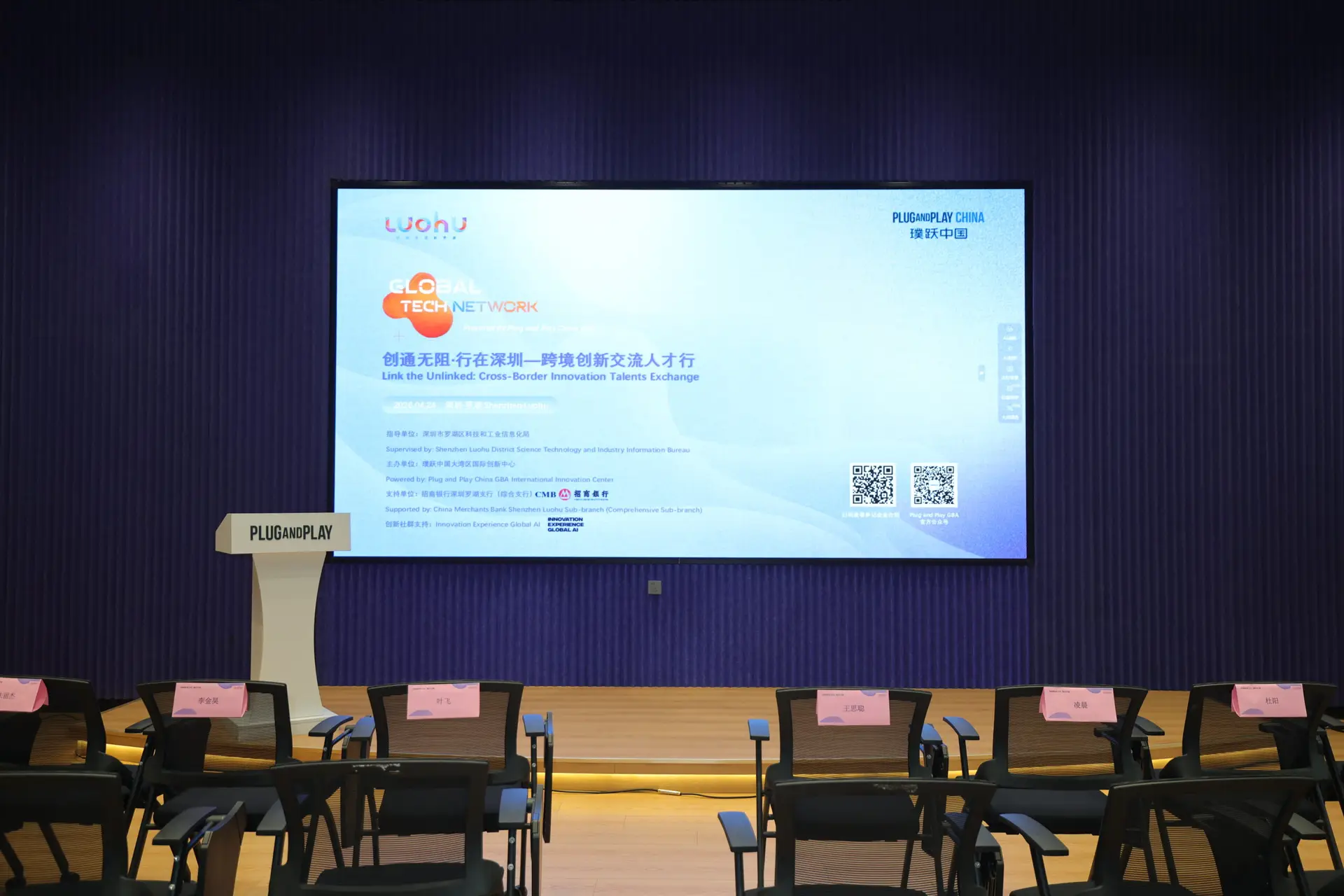
Shanghai is the right starting point for most executive programs because it grounds the delegation in the commercial and financial metrics that make everything else legible. Day 1 is intentionally lighter — arrival, orientation, and a macro briefing from a CST economist partner — so delegates arrive at Day 2's company visit ready to ask specific questions rather than basic ones.
The Day 2 company visit focuses on either fintech infrastructure (the Ant Group ecosystem and its successors are the benchmark) or enterprise SaaS, depending on the group's sector. Day 3 is often a half-structured, half-free day: a morning briefing on e-commerce logistics sets up the afternoon for bilateral meetings the delegates have arranged independently, or for a Suzhou extension to see manufacturing outside the megacity. The high-speed rail to Shenzhen runs in the evening and takes under 3 hours, so no day is lost to transit.
Day 4–5: Shenzhen (EV and hardware)
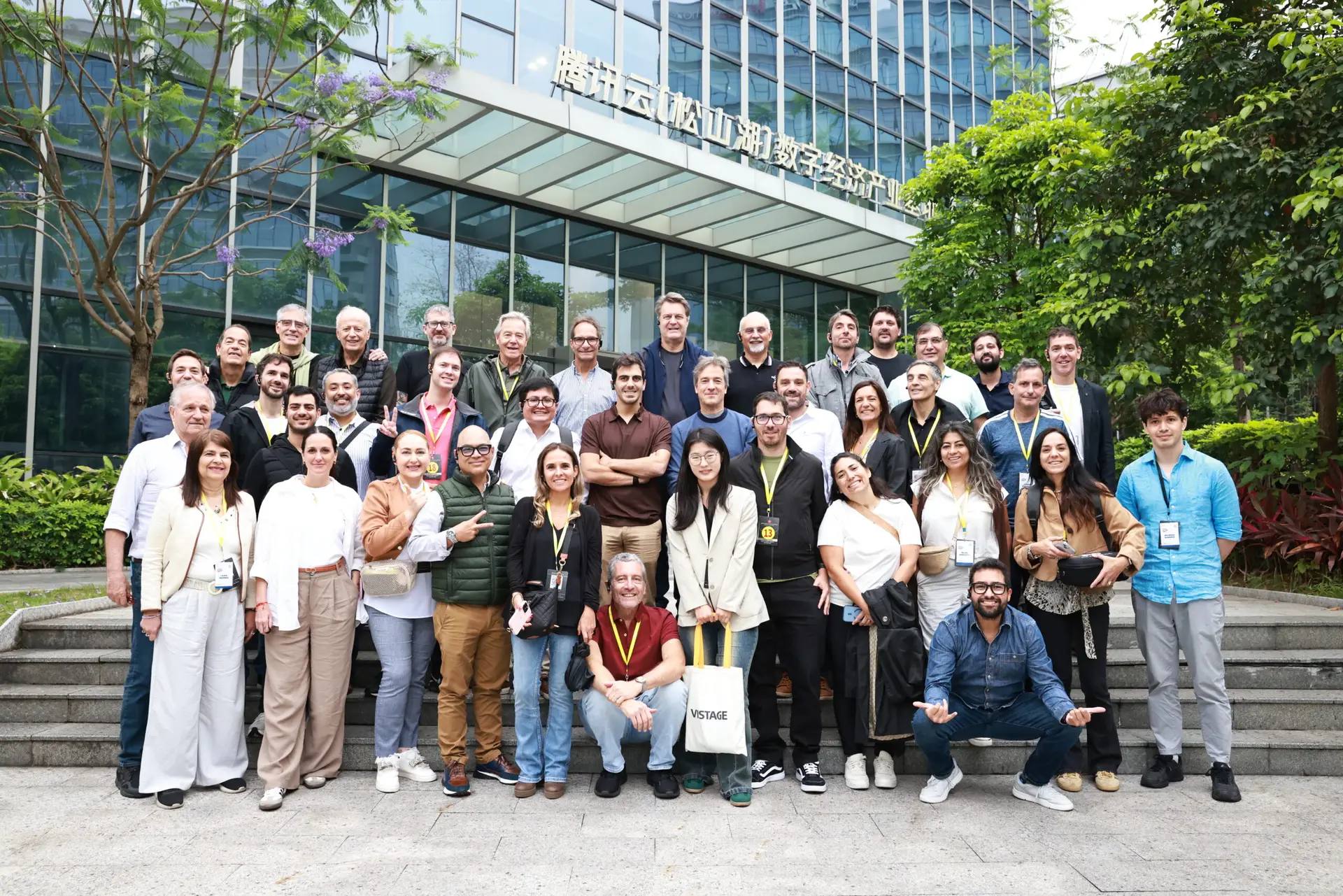
Shenzhen changes how most delegates think about manufacturing speed. The city's two-session days work well because the morning company visit (typically an EV manufacturer or a vertically integrated consumer electronics firm) and the afternoon Huaqiangbei market walk answer different questions: the factory visit shows engineering depth and quality systems; the market shows the component depth that makes iteration at that speed possible.
Day 5 includes a structured debrief workshop that CST facilitates. By this point, delegates have seen five days of content and benefit from two hours to compare observations, surface contradictions, and agree on what questions they most need answered in Beijing. This session consistently gets high ratings in post-program feedback — it converts information into working conclusions rather than letting it accumulate as raw data.
Day 6–7: Beijing (policy and AI)
Beijing supplies the strategic and regulatory frame that makes everything seen in Shanghai and Shenzhen interpretable as policy, not just corporate behavior. Day 6 opens with a policy briefing from a CST partner think tank, followed by a company visit in Zhongguancun — Beijing's AI and semiconductor research district. The combination is deliberate: delegates move from "what the government wants" to "what companies are building to get there" within the same day.
Day 7 is the program's closing day. Delegates choose between a state enterprise briefing (useful for groups with a specific interest in SOE reform or infrastructure investment) or a Great Wall morning that combines culture with reflection time. The afternoon synthesis session is led by the CST program director and produces a one-page action memo the group takes home — visit commitments, follow-up contacts, and the three market-entry or procurement questions the program most clearly answered.
How to customize for your sector
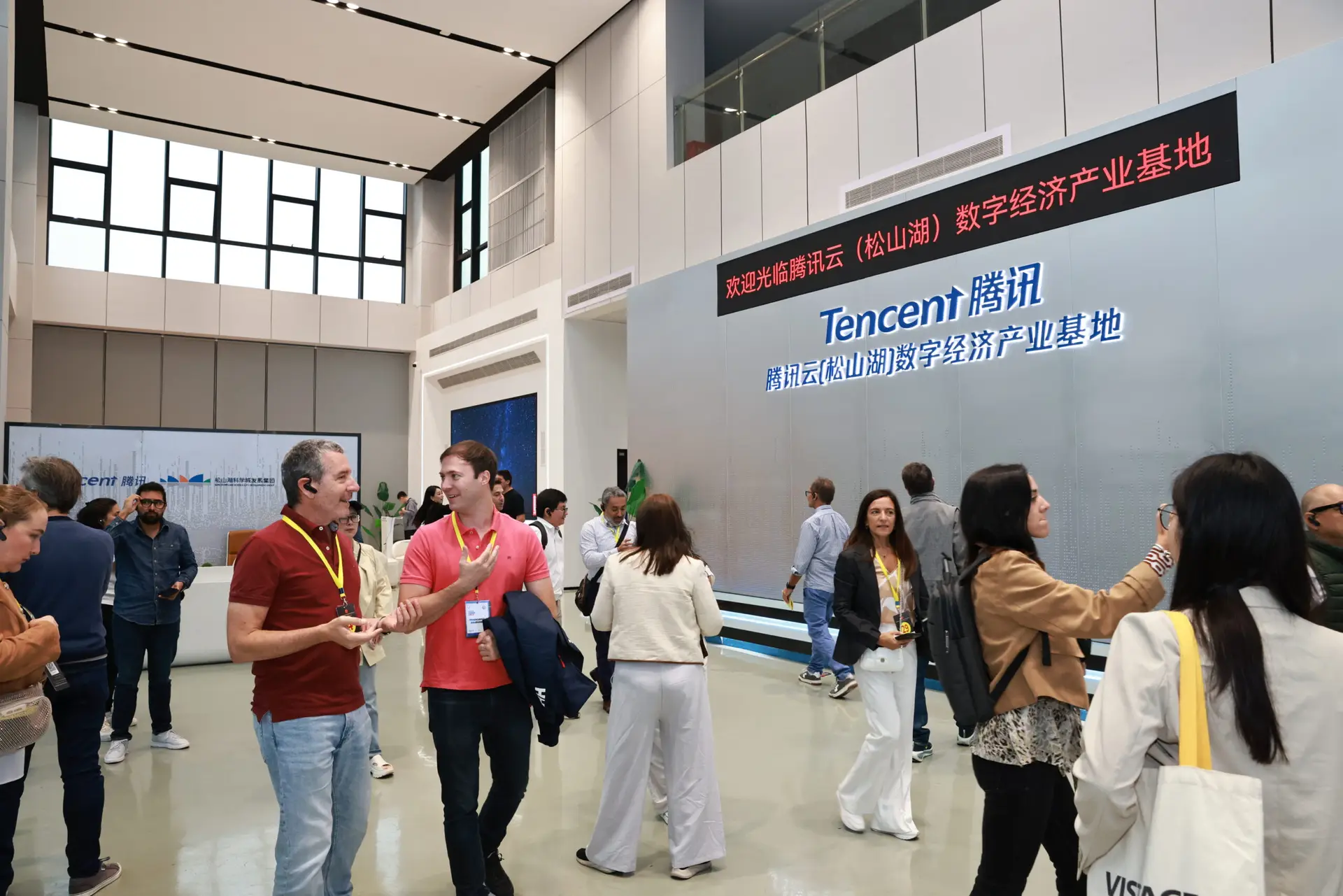
The 7-day template above is built for a general executive audience. Most CST programs diverge from it in one or more of the following ways:
Automotive and EV: add a Wuhan or Hefei day to see SAIC, NIO, or CATL facilities; reduce the Shanghai fintech component. Healthcare and medtech: replace Huaqiangbei with a Suzhou BioBay visit; add a Chengdu stop for pharma manufacturing context. Retail and consumer goods: weight more time toward Shanghai and Guangzhou rather than Shenzhen; include a JD or Meituan logistics hub tour. Finance and investment: keep the three-city structure but replace factory visits with PBOC briefings, PE fund meetings, and a Shanghai Stock Exchange session. Government trade missions: add a ministry briefing in Beijing and replace some private-sector company visits with state enterprise or SOE innovation hub sessions.
Sector customization doesn't add cost or days — it reallocates sessions within the existing structure. Tell CST your primary question ("what can Chinese EV manufacturers teach us about battery cost reduction?") and the itinerary is built backward from that answer.
Company visit selection guide
China's leading firms — whether private tech giants or state-owned enterprises — only receive outside delegations through pre-vetted partners with verified credentials and an established relationship. Cold outreach, even from well-known international corporations, is almost never successful. CST's company access is built on 13+ years of relationships and a formal vetting process on both sides. This is not a coordination service — it is the core reason to run a program through a specialist.
Choosing the right company visits requires matching three variables: the delegation's learning objective, the company's willingness to host (which varies significantly by sector and timing), and the visit format each company offers. Some firms allow full facility access and a Q&A with senior managers; others offer a brand center tour and a 30-minute presentation. CST advises on realistic expectations for each potential host before confirming.
The companies that generate the most actionable delegate feedback tend to be mid-size innovators rather than the largest brands — a $3B EV component supplier often yields more specific supply-chain intelligence than a full OEM tour. CST maintains a current roster of willing hosts across 12 sectors and updates it quarterly. See the full sample itinerary library to see which company types appear in each program type, and visit How It Works for the selection process in detail.
Who can join a China study tour executive program
CST runs programs for corporate delegations, business school executive education cohorts, government trade missions, industry associations, and chambers of commerce. Group sizes run from 8 to 40 participants. Individual executives can join monthly group departures when seats are available.
Language support covers English, Chinese, Spanish, Portuguese, and Japanese. All guides are bilingual, and additional language support is available upon request. Programs are designed for executives who are China-curious but not China-fluent — no prior knowledge of the market is assumed.
Frequently asked questions
How many cities does a typical China study tour itinerary cover?
Most 7-day programs cover two or three cities. Shanghai, Shenzhen, and Beijing is the standard trio for executive delegations: Shanghai for finance and tech, Shenzhen for manufacturing and consumer electronics, Beijing for policy, AI, and state enterprise access. Shorter programs (4–5 days) usually focus on a single-city pairing such as Shanghai and Suzhou or Shenzhen and Guangzhou.
How many company visits are included in a 7-day program?
Between three and five company visits over seven days is the standard range. Fitting more than one visit per day is possible but leaves little time for briefings, debrief discussions, or travel between sites. CST schedules company visits in morning or early-afternoon slots to preserve energy for evening networking.
What does a typical day on a China study tour look like?
A standard day runs: morning expert briefing or company visit (9–12:00), working lunch with a local practitioner, afternoon facility tour or second briefing (14:00–17:00), and evening networking dinner or cultural program. The pace is intentionally varied so delegates have processing time between high-information sessions.
Can the itinerary be customized for a specific sector?
Yes. CST builds most programs around the delegation's primary focus: automotive and EV groups spend more time in Shenzhen and Wuhan; fintech groups concentrate on Shanghai and Beijing's Zhongguancun district; healthcare and medtech groups add Suzhou and Chengdu stops. The 7-day template in this article is a starting point, not a fixed product.
How far in advance should we book a China study tour?
CST recommends booking at least three months ahead for a standard program, and six months ahead if the itinerary includes high-demand venues such as Huawei, BYD, or major state-owned enterprise headquarters. Company visits require vetting on both sides, and slots fill quickly for popular dates in spring (March–May) and autumn (September–November).
Who can join a China study tour executive program?
CST runs programs for corporate delegations, business school executive education cohorts, government trade missions, industry associations, and chambers of commerce. Group sizes range from 8 to 40 participants. Individual travelers can join monthly group departures when seats are available.
Ready to see a China study tour itinerary built around your delegation's priorities?
Get a Custom ItineraryRelated: Browse all sample itineraries · How CST programs work · Contact us