UBTECH Company Visit in Shenzhen: Tour the Humanoid Robot Leader Behind Walker S2
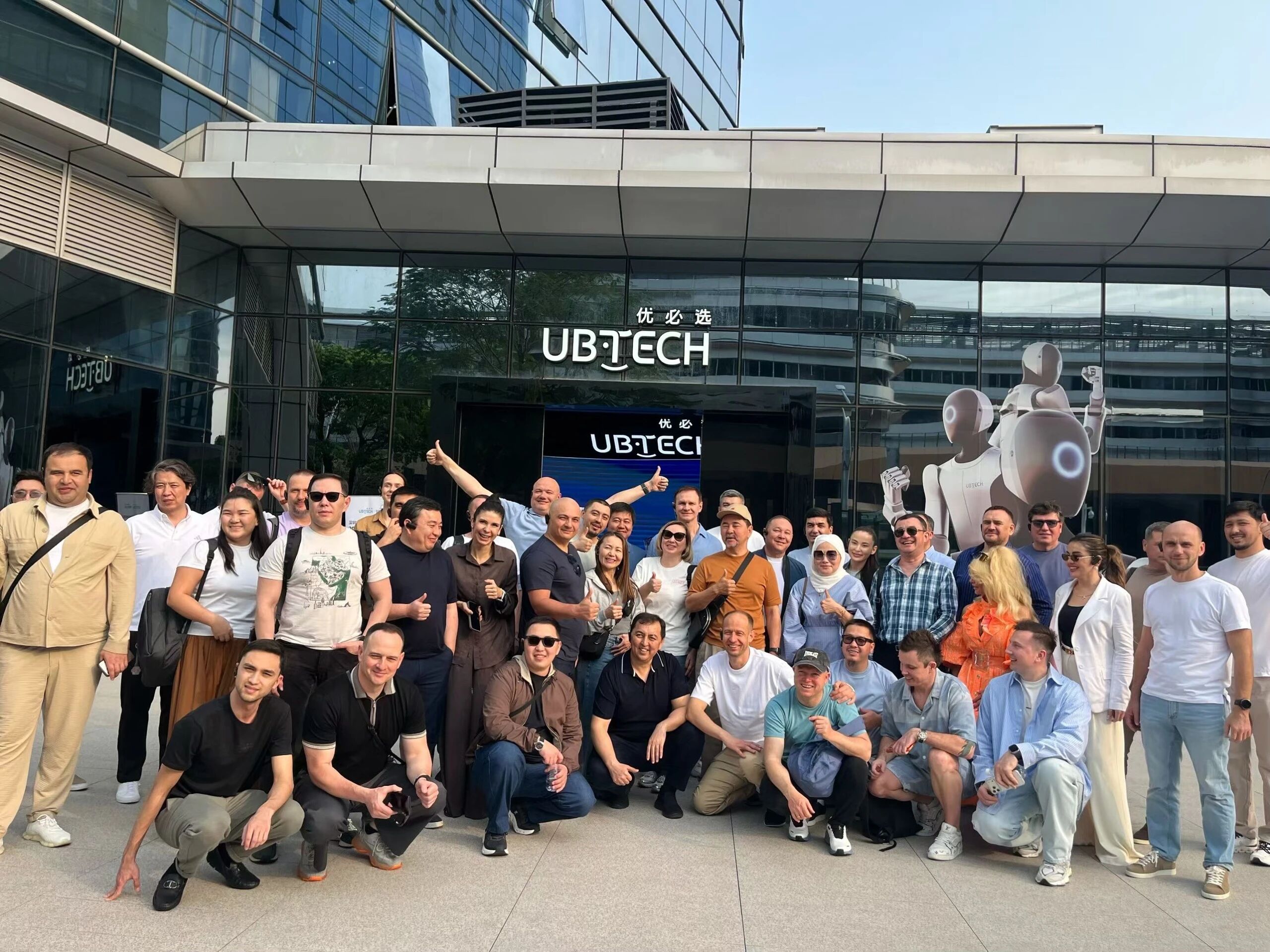
- UBTECH (HKEX: 9880.HK) is the first Chinese humanoid-robot maker to close the commercial loop — Walker S2 is already in mass production at a 300-unit monthly capacity, with an annual target of 10,000 units.
- You will watch live demos of the three-minute autonomous battery swap, dual-arm coordination, and 99%+ factory-inspection accuracy.
- The half-day visit pairs a full-stack tour with a closed-door executive session on strategy, technology, commercialization, and organization.
- Sessions run at the Shenzhen HQ, capped at 30 founders and executives, with bilingual guides available.
Why UBTECH matters right now
2026 is the year the humanoid-robot story stops being a narrative and starts being an industry. China's Ministry of Industry and Information Technology now forecasts that domestic humanoid-robot production could pass 100,000 units this year — compared with a global total of roughly 18,000 units just a year earlier. China alone is on track to produce more than five times last year's entire global output.
The investor conversation has shifted with it. Nobody is asking whether a humanoid robot can do a backflip anymore; they are asking about monthly capacity, unit cost, and signed orders. In that environment, UBTECH (优必选科技, HKEX: 9880.HK) stands out as the first Chinese player to actually close the loop. The first several hundred Walker S2 units have been delivered, monthly capacity has passed 300 units, and the annual target is 10,000. Cumulative contracts total close to RMB 500 million, and the robots are already working inside BYD and Foxconn factories — doubling task efficiency and improving stability by 30%.
Who is UBTECH, and what is Walker?
Founded in 2012, UBTECH spent 13 years building what is now the most complete full-stack technology system in China's humanoid-robot sector. The company is best known for the Walker family: the industrial Walker S and Walker S2, the commercial Walker C, and the home-service Walker U1 — a product matrix that spans business and consumer scenarios.
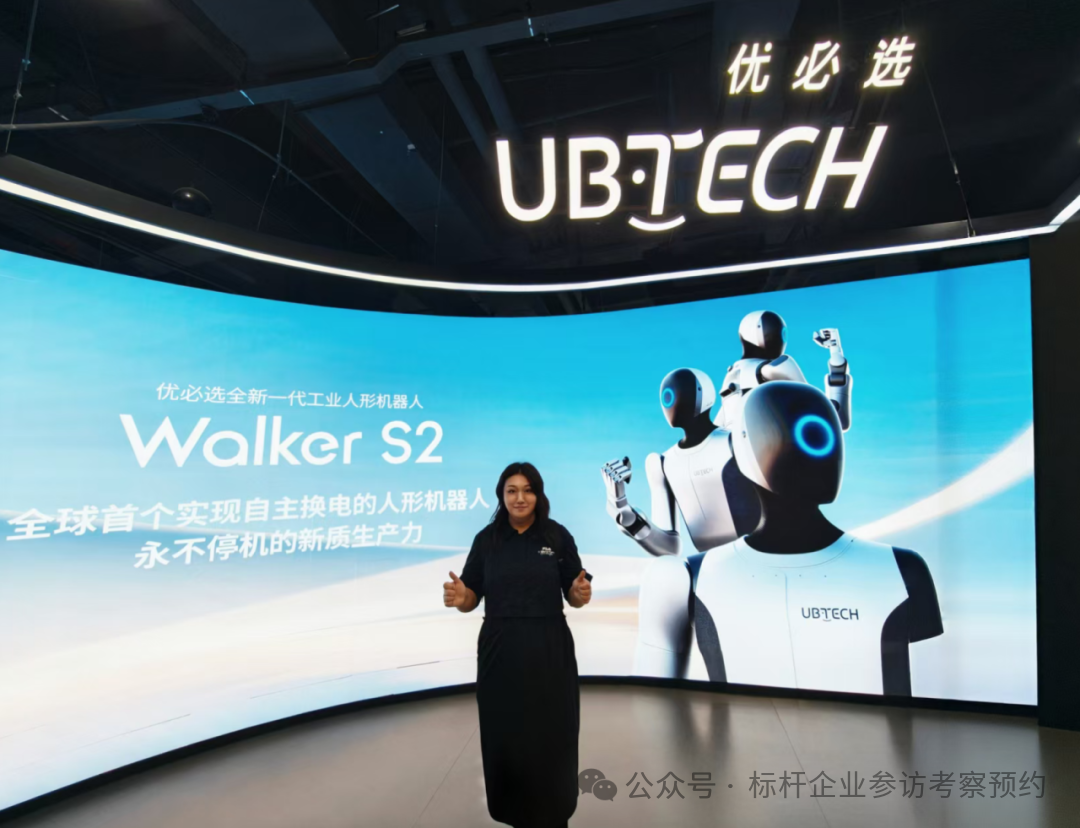
Walker S2 is the headline act. It features the world's first three-minute autonomous battery swap: when the battery drops below 20%, the robot locates a charging station on its own, completes a dual-arm battery swap, and keeps working on a 7x24 basis. That is not a single-point breakthrough — it is the visible result of servo control, visual positioning, path planning, and dual-arm coordination working together as one system.
Inside UBTECH's five-layer competitive moat
Strategy: industrial-first by first principles
Most humanoid-robot players chase the consumer dream — think Tesla Optimus or Figure AI targeting the home. UBTECH made the opposite bet: factories come first. Industrial tasks such as material handling, inspection, and screw-driving have clear boundaries, repeatable workflows, and measurable ROI, which makes them the natural first-principles entry point for humanoid robots. That single decision explains the company's pace advantage. While competitors debated whether a robot could serve tea, Walker S Lite was already achieving 99%+ accuracy on automotive seatbelt inspection — and getting paid for it.
Technology: a full-stack, self-built moat
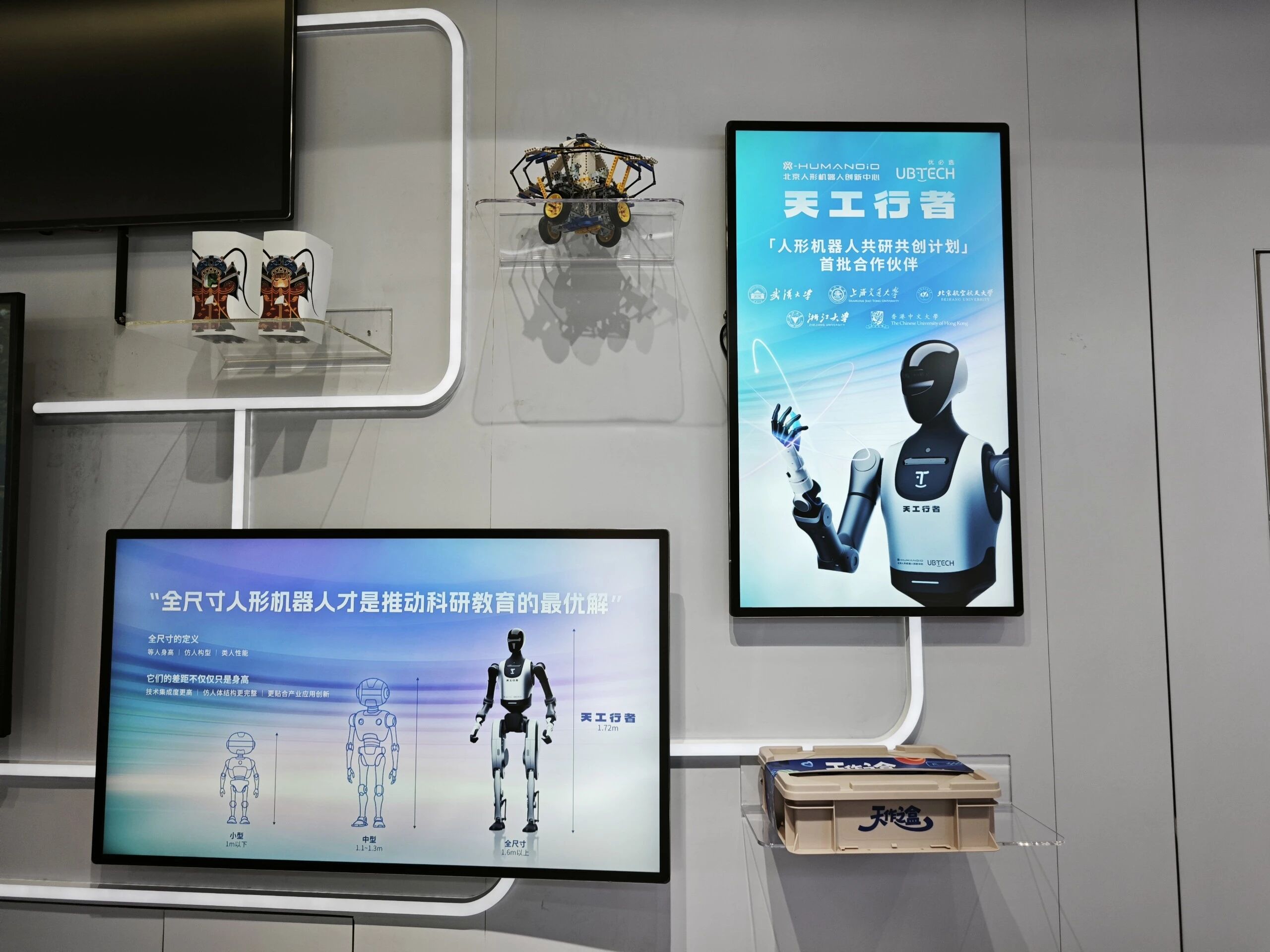
UBTECH's edge is not one breakthrough; it is the completeness of the stack. The company designs its own high-power servo actuators, lightweight reducers, and RGB binocular industrial vision modules — the "joints" and "eyes" of the robot. On top of that sit the Thinker embodied large model, which ranked first across nine global benchmarks in the sub-10-billion-parameter class, and the BrainNet 2.0 swarm network for multi-robot coordination.
Business: from project to product to platform
Technology leadership does not guarantee commercial success. UBTECH's real lesson is a three-step evolution: from early project-based delivery, to the standardized Walker S/S2 line with modular architecture, to a platform model that sells embodied-AI solutions — hardware, software, and services — rather than just robots. The numbers back it up: close to RMB 500 million in cumulative Walker contracts, 13,361 pre-orders for the U1 home robot, and 200%+ year-over-year revenue growth in 2025.
Organization: long-termism in a ten-year industry
A 2,000-person R&D organization sustained over more than a decade is the quiet moat behind the headlines. UBTECH kept a consistent share of revenue flowing into R&D through the market's hot-and-cold cycles, building a multidisciplinary team across mechanical engineering, electronics, computer science, and cognitive science that cannot be assembled overnight.
What you will see on the UBTECH company visit
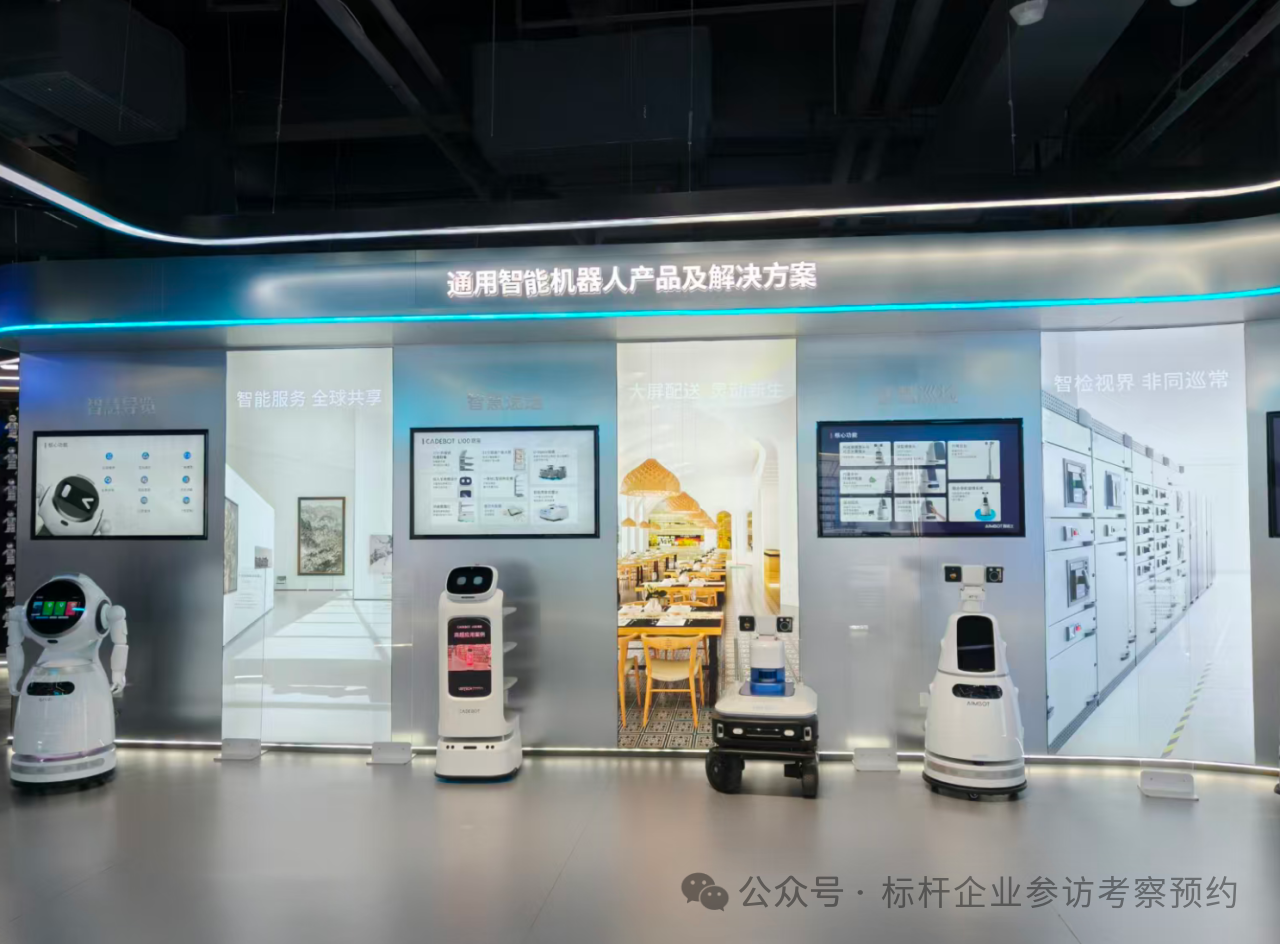
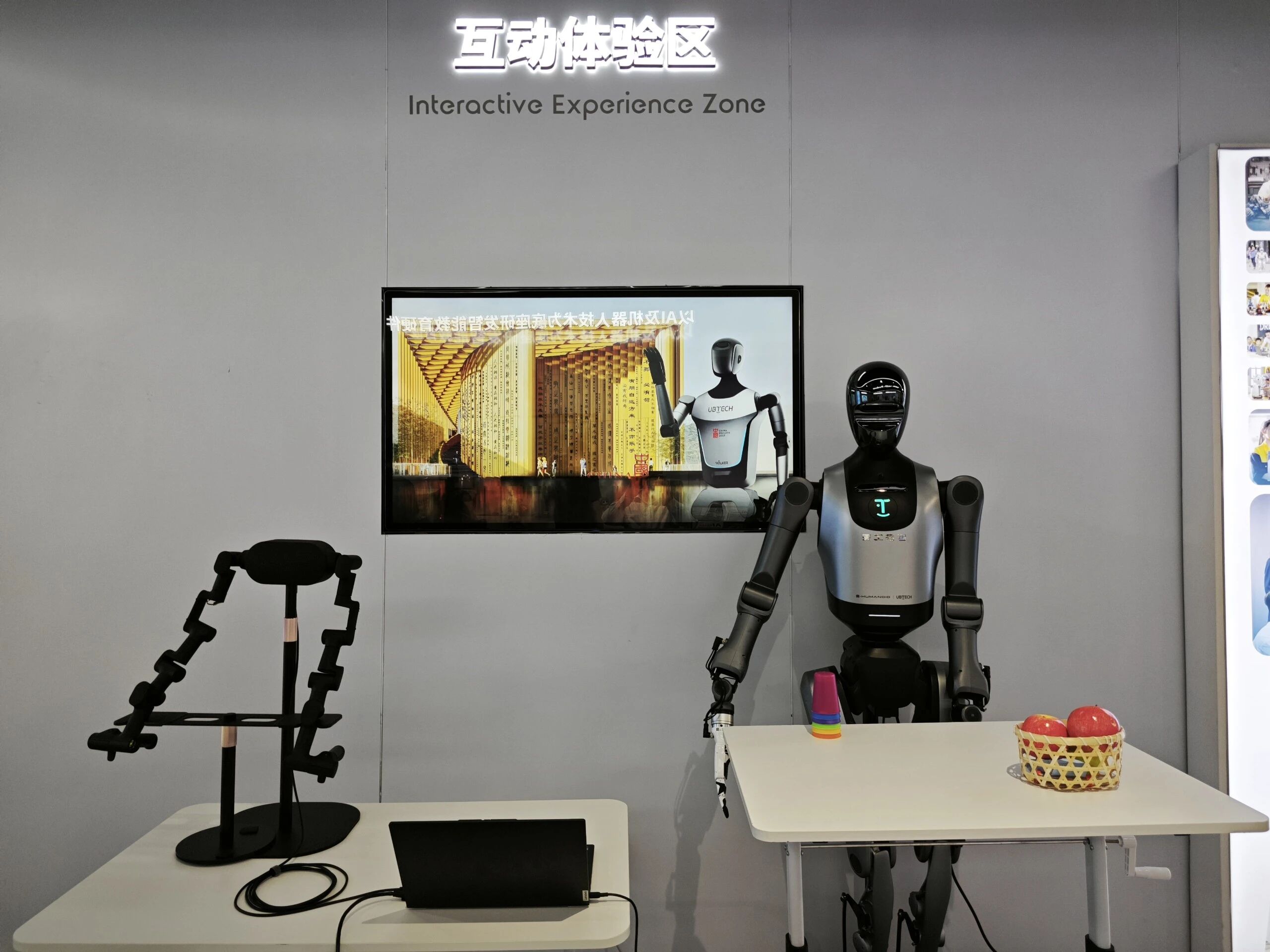
The tour is designed to show the full chain — not a highlight reel. You will walk through the headquarters showroom for live, dynamic demonstrations of the entire Walker family, then into the core-parts showcase, where the in-house servo actuators, lightweight reducers, and RGB binocular vision modules make the "full-stack self-reliance" story concrete.
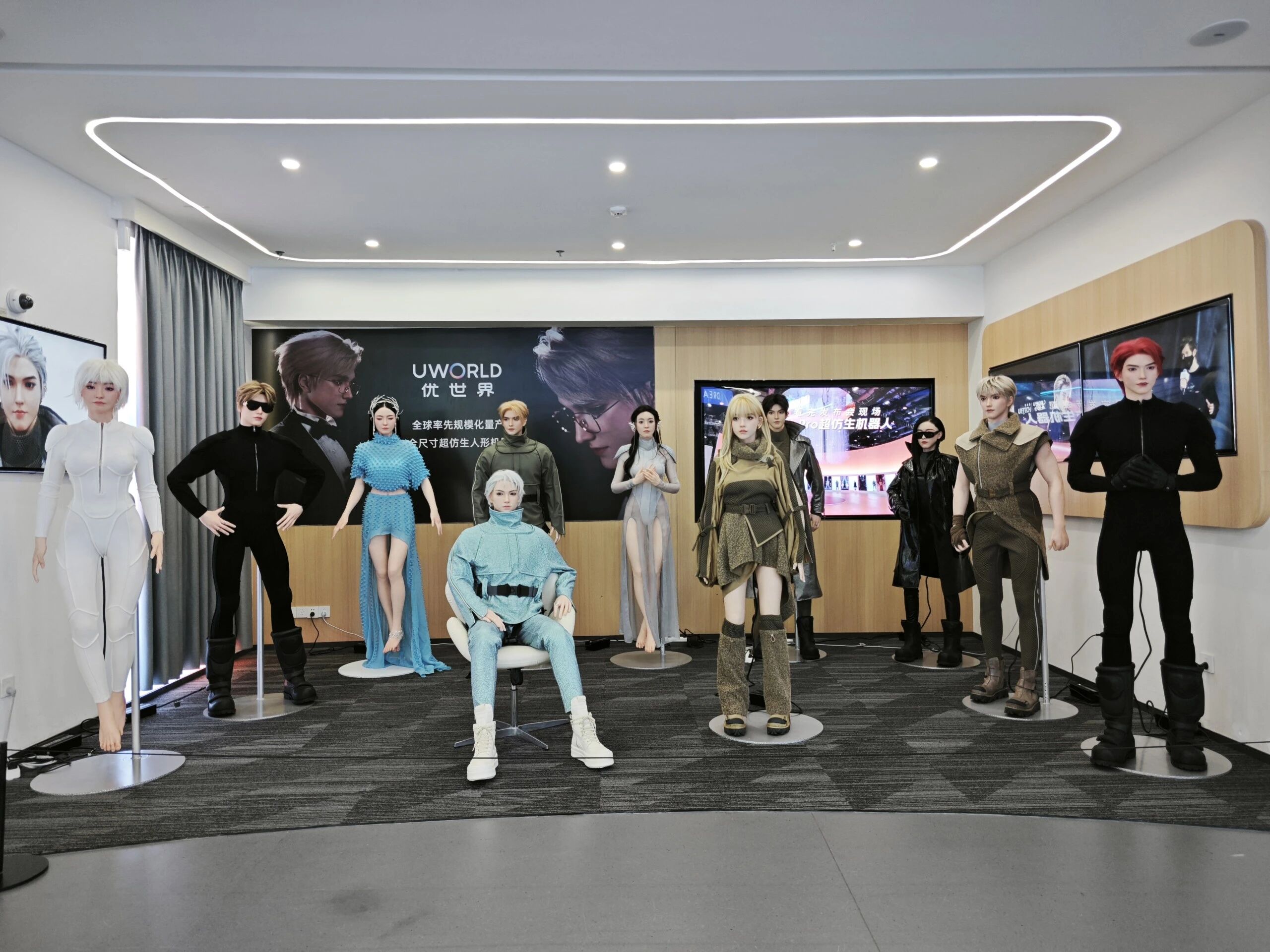
The most memorable stop is the "robots building robots" smart production line, where you can see the standardized manufacturing process and cost-optimization logic that make large-scale humanoid-robot production possible.
Half-day itinerary at the Shenzhen headquarters
09:00–09:20 — Orientation. A pre-visit briefing lays out the two competing paths in humanoid robotics — the consumer-home narrative versus UBTECH's industrial-first route — so you arrive with the right questions.
09:20–10:40 — Immersive tour. A professional guide leads the showroom visit and on-site observation: live demos of the industrial Walker S2, commercial Walker C, and home U1; the three-minute autonomous battery swap; the self-developed core-parts zone; and the "robots building robots" production line.
10:40–11:50 — Executive briefing and roundtable. A closed-door session with a UBTECH executive unpacks the five-layer moat — strategy, technology, business model, organization, and industry outlook.
11:50–12:00 — Interactive discussion. A guided conversation applies the morning's lessons to your own manufacturing-upgrade, automation, or robotics-investment questions.
Why you need a vetted partner to visit
UBTECH and China's other leading firms only accept outside visitors through pre-vetted partners with verified credentials — independent cold outreach almost never succeeds. CST's access is built on 13+ years of relationships, not a cold contact list.
This is the core of what China Study Tour (CST) provides: verified access to a company that does not open its doors to walk-in visitors, structured around an executive-level agenda rather than a generic factory tour.
Who can visit
The UBTECH visit is built for decision-makers: founders, CEOs, and senior executives; corporate innovation and digital-transformation teams; government trade missions; and university or MBA delegations. Each session is limited to 30 guests so the executive briefing and roundtable stay genuinely interactive. If your team is planning manufacturing automation, robotics investment, or a technology self-reliance strategy, this is the reference visit in Shenzhen.
Frequently Asked Questions
Can I visit UBTECH Robotics in Shenzhen, and is it open to the public?
Which UBTECH robots will I see during the visit?
Can I watch the Walker S2 autonomous battery swap in action?
Who should attend the UBTECH company visit?
How long is the visit, and what does the agenda cover?
Which industries will benefit most from seeing UBTECH's production line?
Is the visit available in English?
How do I book a UBTECH visit, and how far in advance should I plan?
What makes UBTECH different from other humanoid robot companies?
Plan Your UBTECH Visit
Secure one of 30 seats for the UBTECH Shenzhen headquarters visit, including the Walker S2 live demos and a closed-door executive briefing. Get a Custom Proposal in 24 Hours.
Request a Custom Proposal